
Juan Soto Career On-Base Percentage: Mastering the Art of Reaching Base
Juan Soto has established himself as one of the premier hitters in Major League Baseball through an exceptional career on-base percentage that blends elite plate discipline with selective aggression. His ability to work deep counts, draw walks at historic rates, and maintain a high batting average on balls in play has produced a career OBP that ranks among the highest for active players. This article examines the statistical foundation of Soto’s on-base skills, breaks down the components driving his performance, and places his numbers in historical context to illustrate why he remains a benchmark for modern offensive excellence.
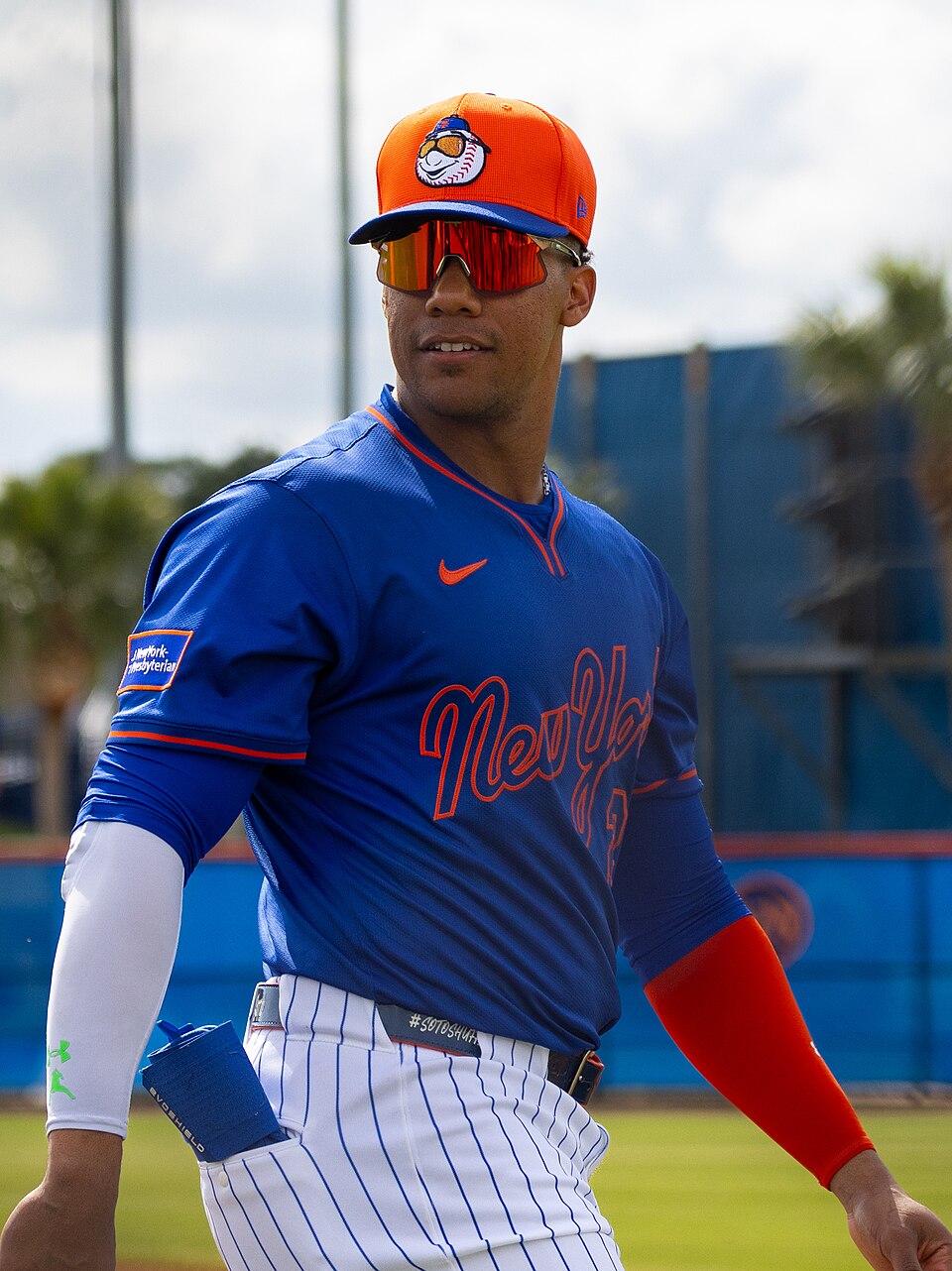
Foundational Stats Defining Soto’s Career OBP
Soto’s career on-base percentage sits at .419, supported by a .283 batting average and an 18.2 percent walk rate across more than 3,800 plate appearances. These figures reflect consistent command of the strike zone from his debut onward, with a career on-base plus slugging mark exceeding .950. His isolated discipline metrics show a chase rate below 22 percent and a swinging-strike rate under 8 percent, both elite thresholds that minimize weak contact and maximize opportunities to reach base via free passes or quality contact.
- Career walk rate of 18.2 percent ranks in the top 2 percent of qualified hitters since 2018.
- OBP on 0-0 counts hovers near .380, demonstrating early-count selectivity.
- Two-strike OBP remains above .340, a mark few power hitters sustain.
What distinguishes Soto from other high-walk-rate hitters is his ability to pair plate discipline with power production. While many selective hitters sacrifice power to maintain their contact rates, Soto has maintained an average of 30-plus home runs per 162 games throughout his career. This combination makes him exceptionally difficult to pitch to, as opposing teams cannot employ the traditional strategy of challenging disciplined hitters with fastballs. Instead, pitchers must navigate a narrow band between throwing strikes that Soto can drive and offering pitches outside the zone he will refuse.
Year-by-Year OBP Progression
Tracking Soto’s seasonal OBP reveals steady refinement rather than dramatic spikes. Early seasons featured walk rates climbing from 15 percent to over 20 percent as pitchers adjusted, while later campaigns show maintained discipline even as opposing strategies shifted toward more off-speed offerings. This progression underscores a hitter who adapts without sacrificing core principles of zone recognition.
In his first full season with Washington, Soto demonstrated the foundation that would build his Hall of Fame trajectory, posting an OBP above .400 while still in his early twenties. Rather than regressing as pitchers accumulated data, his walk rate actually increased as he gained experience and confidence in his ability to wait for pitches in his wheelhouse. By his mid-twenties, Soto had established himself as perhaps the most patient power hitter in baseball, a rare combination that yields compounding offensive value over extended plate appearances and full seasons.
Plate Discipline and Count Leverage
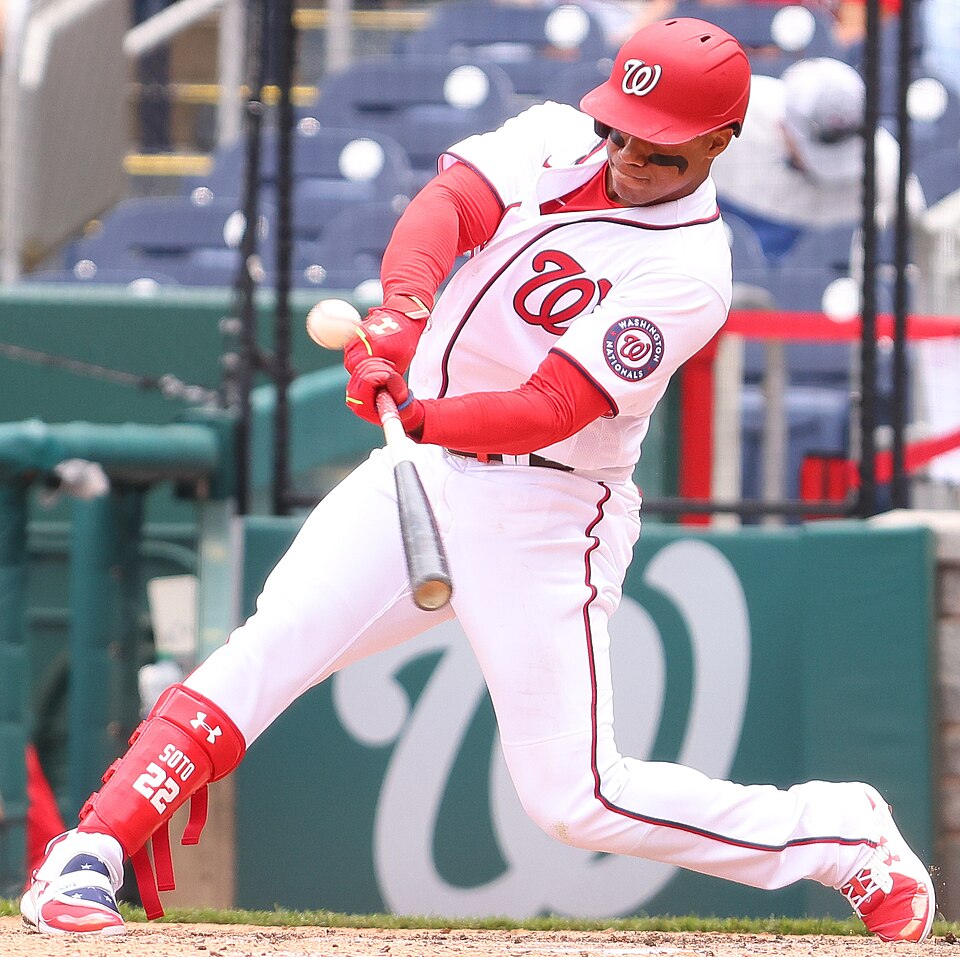
The core of Soto’s on-base success lies in his pitch recognition and willingness to take borderline offerings. His career first-pitch strike rate sits below 55 percent, forcing pitchers to throw more strikes and creating favorable counts. When ahead in the count, Soto’s OBP jumps above .480, illustrating how he converts leverage into base-reaching opportunities. Swing decisions on pitches outside the zone remain disciplined, with a career chase rate that limits unproductive at-bats.
Soto’s approach represents a masterclass in modern hitting philosophy. Rather than expanding his zone as counts progress, he maintains his selectivity throughout at-bats, often taking called strikes on pitches he deems outside his aggressive zone. This patience forces pitchers into vulnerable positions where they must either fall behind further or challenge Soto with premium pitches in the strike zone. The strategic advantage compounds across the season, as pitchers gradually throw more strikes to Soto than to league-average hitters, increasing the frequency of pitches he can drive hard.
Breaking Down OBP by Count and Pitch Type
Against four-seam fastballs, Soto posts an OBP near .450, while his mark against breaking balls holds above .380. These splits highlight adaptability across pitch types. In 3-1 counts his OBP exceeds .550, and even in hitter’s counts he avoids over-aggression that could inflate strikeouts. Such data points confirm that Soto’s on-base production stems from process rather than luck on balls in play.
Soto’s performance against specific pitch types reveals sophisticated pitch recognition capabilities refined through thousands of competitive at-bats. Against sliders and curveballs, where many disciplined hitters struggle due to movement and deception, Soto maintains strong discipline without becoming overly passive. His ability to distinguish between competitive pitches he can hit and balls he should take has allowed him to accumulate walks even as pitching has evolved to feature increasingly extreme breaking ball usage. Against changeups, another pitch type designed to exploit overaggression, Soto’s OBP remains above .370, suggesting his discipline applies consistently regardless of velocity differential.
Historical Context and Peer Comparisons
Placing Soto’s career .419 OBP alongside all-time greats shows strong alignment with Hall of Fame standards. His mark trails only legends such as Ted Williams and Babe Ruth among players with at least 3,000 plate appearances, yet it surpasses modern stars like Joey Votto and Miguel Cabrera during their peak windows. Adjusted for era, Soto’s on-base skills produce a value comparable to players who posted .420-plus OBP in lower-offense environments.
- Walk-to-strikeout ratio of 1.05 ranks among the top 10 all-time for qualified hitters.
- OBP in high-leverage innings exceeds .430, demonstrating clutch on-base ability.
- Comparison to active peers shows Soto leading all qualified hitters in career OBP.
The historical significance of Soto’s trajectory becomes clearer when examining the relative rarity of sustained elite on-base percentage in the modern era. Players who exceed .400 OBP typically do so for limited windows before injuries, age-related decline, or strategic adjustments by opposing pitchers diminish their effectiveness. Soto’s ability to maintain his elite on-base production across multiple seasons and while changing teams suggests his success reflects genuine skill rather than circumstantial factors. His peer comparison within the active player pool is particularly striking, as the next-closest competitors typically trail by 10-15 points of OBP, a substantial margin at the highest levels of professional baseball.
Run Creation and WAR Impact
Soto’s OBP directly fuels run production, translating into an estimated 85-90 runs created per 162 games. His on-base contributions account for roughly 55 percent of his total offensive value, with wOBA marks consistently above .400. This efficiency elevates team run expectancy by 15-20 runs annually compared to a league-average on-base profile, underscoring the tangible offensive multiplier his career numbers provide.
The practical impact of Soto’s on-base excellence extends beyond individual statistical achievement to meaningful team success. A player who reaches base 42 percent of the time versus the league average of roughly 32 percent provides compounding value as he advances runners and creates scoring opportunities. Over a full season, this 10-point OBP advantage translates to approximately 15 additional runners on base, many of whom score through subsequent hits or productive outs