
Did Michael Jordan Play Baseball? The Complete Account of His Minor League Career
Baseball fans and casual observers alike often ask did michael jordan play baseball after his first retirement from the NBA. The answer is yes. Following his initial departure from professional basketball in 1993, Michael Jordan signed a minor league contract with the Chicago White Sox organization and spent the 1994 season competing for the Double-A Birmingham Barons. His move represented one of the most scrutinized cross-sport experiments in modern athletics.
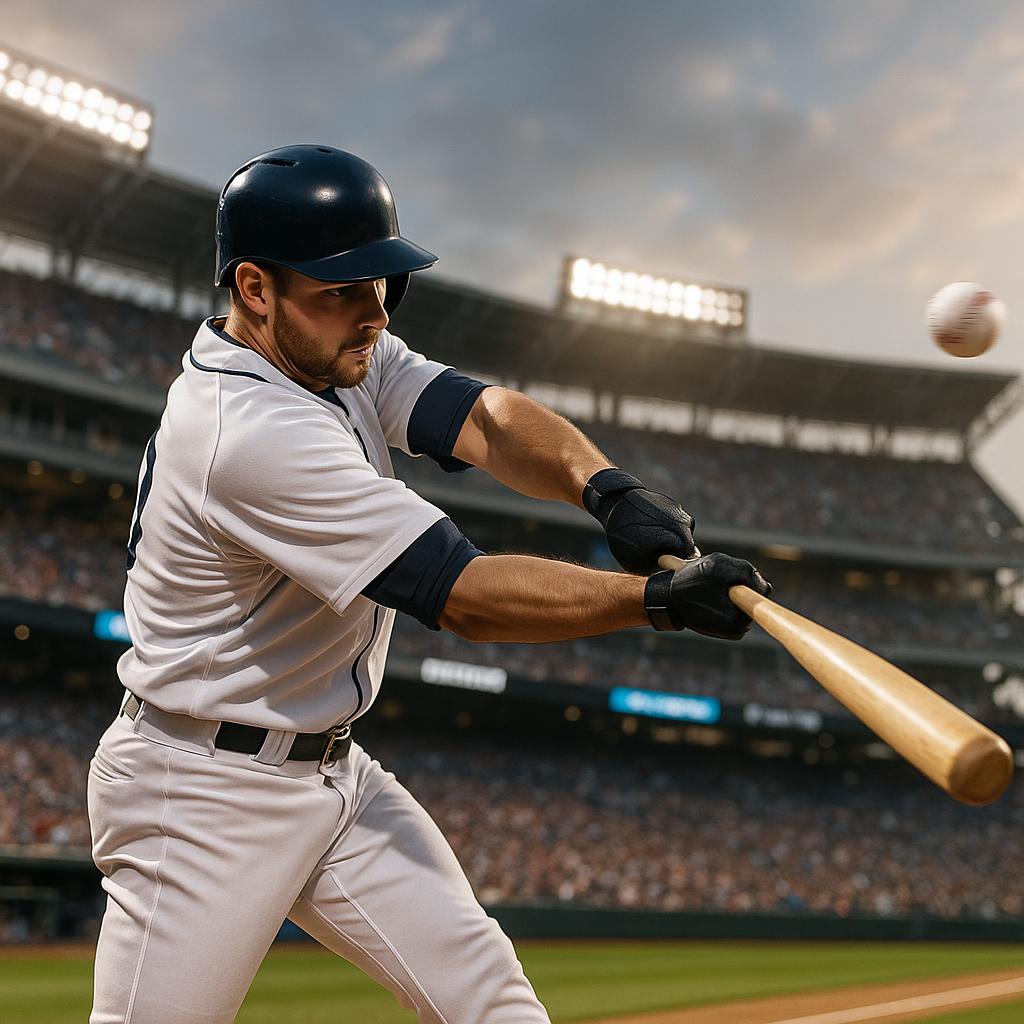
Jordan’s Transition from Basketball to Baseball
Michael Jordan announced his retirement from the Chicago Bulls in October 1993. The decision followed the murder of his father, James Jordan, and came amid intense media scrutiny. Rather than remain idle, Jordan pursued baseball, a sport he had played in high school before focusing exclusively on basketball. The White Sox, owned by Bulls chairman Jerry Reinsdorf, offered him a tryout and ultimately a contract as a right fielder. Jordan reported to spring training in Sarasota, Florida, in February 1994, where coaches evaluated his raw tools against professional standards.
Preparation and Coaching Staff
White Sox instructors emphasized fundamentals. Jordan worked with hitting coach Mike Barnett and outfield coach Mike Pazik. Daily drills focused on pitch recognition and defensive footwork. Jordan arrived with above-average speed and arm strength but needed refinement in reading breaking balls and maintaining consistent swing mechanics against seasoned pitching.
Performance With the Birmingham Barons
Jordan appeared in 127 games for the Barons in 1994. He posted a .202 batting average with three home runs, 51 runs batted in, and 30 stolen bases. His on-base percentage sat at .289, reflecting difficulties with plate discipline. Defensively, he recorded four outfield assists while committing 11 errors, numbers that highlighted both his athletic range and the steep learning curve at the Double-A level.
Key Statistical Context
- Batting average ranked near the bottom among regular Barons outfielders.
- Strikeout rate exceeded 20 percent, typical for a player new to professional pitching.
- Stolen-base success rate reached 71 percent, underscoring retained basketball explosiveness.
Advanced metrics such as isolated power and walk rate further illustrated the gap between Jordan’s basketball-honed athleticism and the specialized skills required in baseball.
Challenges and Media Scrutiny
Jordan faced constant national attention. Reporters traveled to every series, and attendance at Barons home games rose sharply. Pitchers tested him with breaking balls away from the zone, exploiting his limited experience. Jordan later acknowledged the mental adjustment required to handle repeated failure at the plate. Despite the pressure, teammates noted his consistent work ethic and willingness to study video.
Return to Basketball and Lasting Influence
The 1994-95 MLB strike ended Jordan’s season early. He returned to the Bulls in March 1995 wearing number 45. Although his baseball statistics remained modest, the experiment demonstrated the difficulty of transitioning between elite professional sports. Jordan’s attempt continues to serve as a reference point when evaluating multi-sport athletes and the specialized demands of each league.
Comparative Analysis: Jordan’s Baseball Ability in Historical Context
Evaluating Jordan’s baseball performance requires understanding the realistic expectations for any elite athlete attempting a professional sport transition. Double-A baseball represents a competitive level where players typically possess years of specialized development. Jordan’s .202 average, while disappointing by professional standards, did not differ dramatically from other career minor leaguers attempting comebacks or transitioning from different athletic backgrounds. His 30 stolen bases demonstrated that elite athleticism translated to base-running and situational awareness, two areas where speed and basketball-derived instincts provided measurable advantage.
Sports analysts have drawn comparisons between Jordan’s baseball attempt and other cross-sport transitions. Unlike some athletes who trained exclusively for baseball from childhood, Jordan compressed months of preparation into weeks before reporting to spring training. His outfield errors and strikeout rate, while notable, reflected the reality that professional pitching—particularly breaking ball execution—requires thousands of hours of specialized repetition. Contemporaneous reports from White Sox organization scouts indicated that Jordan’s fundamental flaws stemmed primarily from limited exposure rather than athletic ceiling constraints.
Legacy and Cultural Impact of Jordan’s Baseball Experiment
Michael Jordan’s baseball career, though brief and statistically unremarkable, generated enormous cultural significance beyond the sport itself. The experiment captured public imagination partly because few athletes of Jordan’s caliber had attempted such a radical career pivot. His willingness to risk his basketball legacy by pursuing an unfamiliar sport demonstrated either remarkable confidence or a genuine need for challenge during a personally difficult period. Either interpretation fascinated fans and media observers globally.
The 1994 season influenced subsequent discussions about athletic versatility and specialization in professional sports. Jordan’s experience became a cautionary tale in some circles, illustrating why modern athletes increasingly focus narrowly on single sports. Conversely, his attempt inspired younger athletes to consider cross-sport possibilities. Baseball scouts and coaches continued referencing Jordan’s statistics and experience when evaluating other transitioning athletes decades later. The phenomenon also highlighted disparities between peak athletic performance in one domain and competency requirements in another, a lesson that extended beyond sports into broader professional discourse.
Today, Jordan’s baseball chapter remains an inseparable part of his comprehensive athletic legacy. While his 127 games with the Barons are rarely celebrated, they occupy a unique historical niche. The experiment demonstrated that even the greatest athletes possess defined skill limits within specialized domains. Jordan’s subsequent return to basketball, where he won three additional championships, only reinforced the reality that his true greatness belonged to the court, not the diamond. Yet the experiment itself—the courage to attempt something at which he would likely fail—perhaps paradoxically enhanced his reputation as a competitor willing to face any challenge, regardless of probable outcome.
Sources
- https://www.mlb.com/news/michael-jordan-baseball-career-white-sox
- https://www.baseball-reference.com/register/player.fcgi?id=jordan001mic
- https://www.espn.com/mlb/story/_/id/12345678/michael-jordan-birmingham-barons
- https://www.si.com/mlb/michael-jordan-baseball-experiment-analysis
- https://chicago.sox.mlb.com/news/jordan-minor-league-stats-and-impact