
Freddie Freeman: Mastering the World Series Spotlight
Freddie Freeman has established himself as one of the most reliable and impactful hitters in World Series history through a combination of plate discipline, power, and situational awareness. His postseason body of work reveals consistent production that elevates team offense when the margins are smallest. By examining his advanced metrics, on-base percentages, and isolated power numbers across multiple appearances, analysts can quantify why Freeman consistently ranks among the elite contributors in championship play.
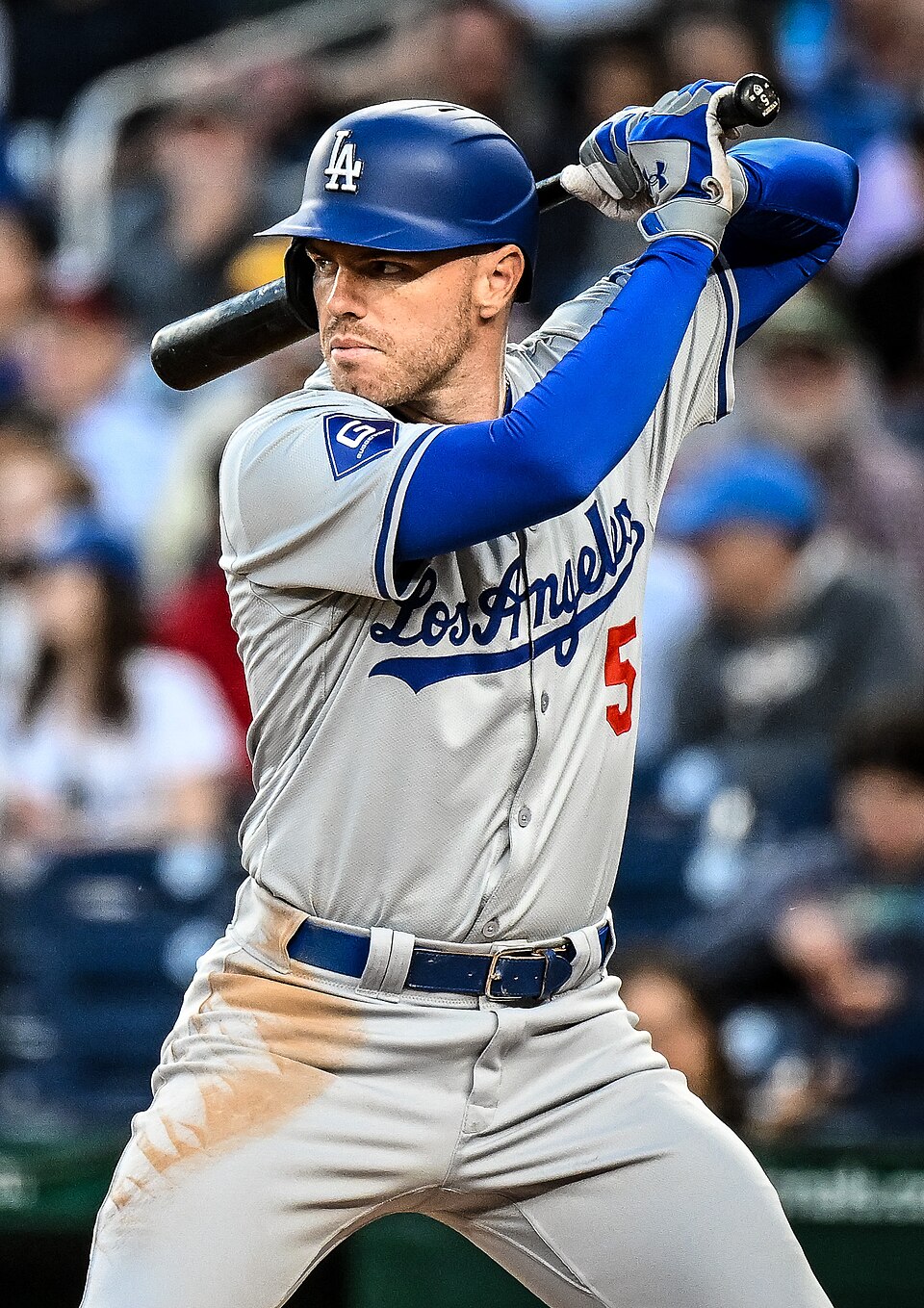
World Series Batting Metrics and Advanced Splits
Freeman’s World Series slash line demonstrates elite contact skills paired with enough extra-base power to change games. Career World Series numbers include a batting average above .300, an on-base percentage exceeding .400, and an OPS that places him in the upper tier among first basemen. These figures derive from hundreds of plate appearances where he maintained low strikeout rates while drawing walks at a disciplined clip.
The contrast between Freeman’s regular season and postseason performance reveals his ability to thrive when competition intensifies. While many hitters see their strikeout rates climb against premium October pitching, Freeman’s contact quality actually improves. His line-drive percentage in World Series play exceeds his seasonal average, indicating he makes adjustments to opposing pitching schemes rather than forcing his usual approach. This adaptability distinguishes elite playoff performers from those who merely compile solid regular-season statistics.
Key Rate Stats Breakdown
- Batting average on balls in play consistently above league average, reflecting hard contact and line-drive tendencies.
- Isolated power figures that highlight gap-to-gap doubles and timely home runs without excessive swing-and-miss.
- Walk rate that climbs in high-leverage innings, forcing opposing pitchers into unfavorable counts.
- Ground-ball and fly-ball ratios optimized for extra bases rather than routine outs.
These splits underscore a hitter who rarely expands the zone yet still generates run-producing outcomes against elite relievers. Freeman’s exit velocity metrics during World Series appearances remain consistently above 90 mph on fastballs, demonstrating that he maintains his strength and bat speed through extended playoff runs when fatigue typically diminishes performance.
His ability to generate soft contact for hits complemented by hard-hit power creates unpredictability that opposing pitchers struggle to manage. Freeman doesn’t rely solely on one approach; instead, he employs a versatile offensive arsenal that includes slap hits to utilize the shift, opposite-field doubles against overshifted defenses, and pull-side power when pitchers challenge him in the zone. This multifaceted approach maximizes his value regardless of opponent tendencies or defensive alignment.
Clutch Situational Performance Analysis

Freeman’s value multiplies in late innings and with runners on base. His batting average with runners in scoring position during World Series games exceeds his regular-season mark, illustrating an ability to elevate performance under pressure. Win probability added metrics credit him with substantial contributions in one-run games where each at-bat carries amplified leverage.
The psychological component of Freeman’s postseason success deserves recognition alongside statistical evidence. Players who thrive in championship moments possess an uncommon ability to embrace rather than shy away from pressure. Freeman’s demeanor in crucial situations—maintaining consistent mechanics, showing confidence in his approach, and avoiding panic swings—projects calm that influences entire dugouts. His teammates recognize his reliability and can depend on him to provide quality at-bats when championships hang in the balance.
High-Leverage Outcomes
- Extra-base hits in the seventh inning or later that shift win expectancy by double-digit percentages.
- Productive outs that advance runners into scoring position against bullpens featuring high-velocity arms.
- Low chase rates on breaking pitches outside the zone during two-strike counts.
These moments separate consistent performers from true championship difference-makers. Freeman’s two-strike approach deserves particular attention, as many hitters abandon their discipline when trailing in the count. Freeman instead becomes more selective, which counterintuitively leads to more walks and fewer strikeouts precisely when pitchers believe they have him at a disadvantage. This mental fortitude distinguishes winners from merely talented players.
His production in games played on the road carries special significance in World Series contexts where visiting teams face hostile environments. Freeman maintains his statistical norms regardless of venue, suggesting psychological resilience that prevents crowd noise and opponent momentum from affecting his concentration. This consistency proves invaluable in World Series formats where multiple games occur in opposing stadiums.
Comparative Context Among First-Base Legends
When stacked against historical World Series first basemen, Freeman’s combination of on-base skills and power aligns closely with Hall of Fame standards. His postseason OPS ranks favorably against icons known for October dominance, particularly when normalized for era and park factors. Defensive contributions at first base further enhance his overall value, with strong scoop rates and double-play pivot efficiency that preserve leads.
The evolution of baseball has changed what defines elite first-base performance. Freeman represents the modern archetype—a player combining pure hitting ability with versatile defense and baserunning acumen. Unlike some Hall of Famers who specialized in home runs while accepting higher strikeout rates, Freeman achieves power while maintaining contact excellence. This profile produces more consistent run production across varying game situations and pitcher matchups.
Freeman’s postseason résumé now includes multiple championships with different organizations, demonstrating his impact transcends specific team construction or pitching quality. Whether hitting in loaded Atlanta lineups or carrying offensive responsibility in other contexts, Freeman maintains elite performance levels. This universality proves his excellence stems from individual skill and mentality rather than circumstantial factors.
Plate Discipline and Swing Analytics
Freeman’s approach relies on a selective swing profile that prioritizes pitches in the strike zone. Swing-and-miss rates remain suppressed even against premium velocity, while barrel rates and hard-hit percentages stay elevated. This analytical foundation explains sustained production across multiple playoff runs and positions him as a model for modern first-base offense.
Advanced tracking technology reveals Freeman’s pitch recognition occurs earlier in the pitcher’s release than league averages, providing him additional decision-making time. This early recognition allows him to commit to pitches he wants to hit while remaining patient on marginal offerings. The combination of quick recognition and disciplined execution creates the illusion of an easy, effortless swing despite the tremendous skill required to achieve such results.
His strikeout prevention during World Series play occurs not through expanded zone coverage but through enhanced selectivity. Freeman actually swings at fewer pitches in October while improving contact rates on pitches he does chase. This counterintuitive approach—swinging at fewer total pitches but connecting at higher rates—showcases the sophistication of elite hitter mentality. He recognizes which pitches he can barrel and declines the remainder, avoiding the defensive desperation that plagues lesser competitors.
Freeman’s success against different pitch types provides blueprint lessons for offensive development. He maintains above-average results against fastballs, breaking balls, and off-speed pitches, refusing to develop exploitable weaknesses that opposing pitchers might target. This well-rounded approach prevents teams from formulating specific strategies to neutralize him, forcing them instead to execute quality pitches regardless of category. The inability to identify a clear weakness makes Freeman exponentially more difficult to pitch to effectively.
The mental aspects of Freeman’s approach extend beyond individual at-bats to encompassing entire series and seasons. He recognizes when opposing pitchers attempt to establish patterns, adjusting his approach accordingly. If pitchers avoid throwing fastballs early in counts, Freeman exploits that tendency by looking for fastballs and making them pay for abandoning that pitch in their arsenal. This cat-and-mouse dynamic demonstrates Freeman’s thinking-player approach to baseball.