
The Baseball Cap: History, Evolution, and Why It Dominates Sports Culture
The baseball cap stands as one of the most recognizable and versatile pieces of headwear in American culture. What began as functional equipment for professional baseball players in the 1860s has evolved into a ubiquitous fashion statement worn by millions worldwide. Whether you’re at a major league stadium, a college game, or simply navigating daily life, the baseball cap represents more than just sun protection—it’s a symbol of sports heritage, team loyalty, and casual American style.
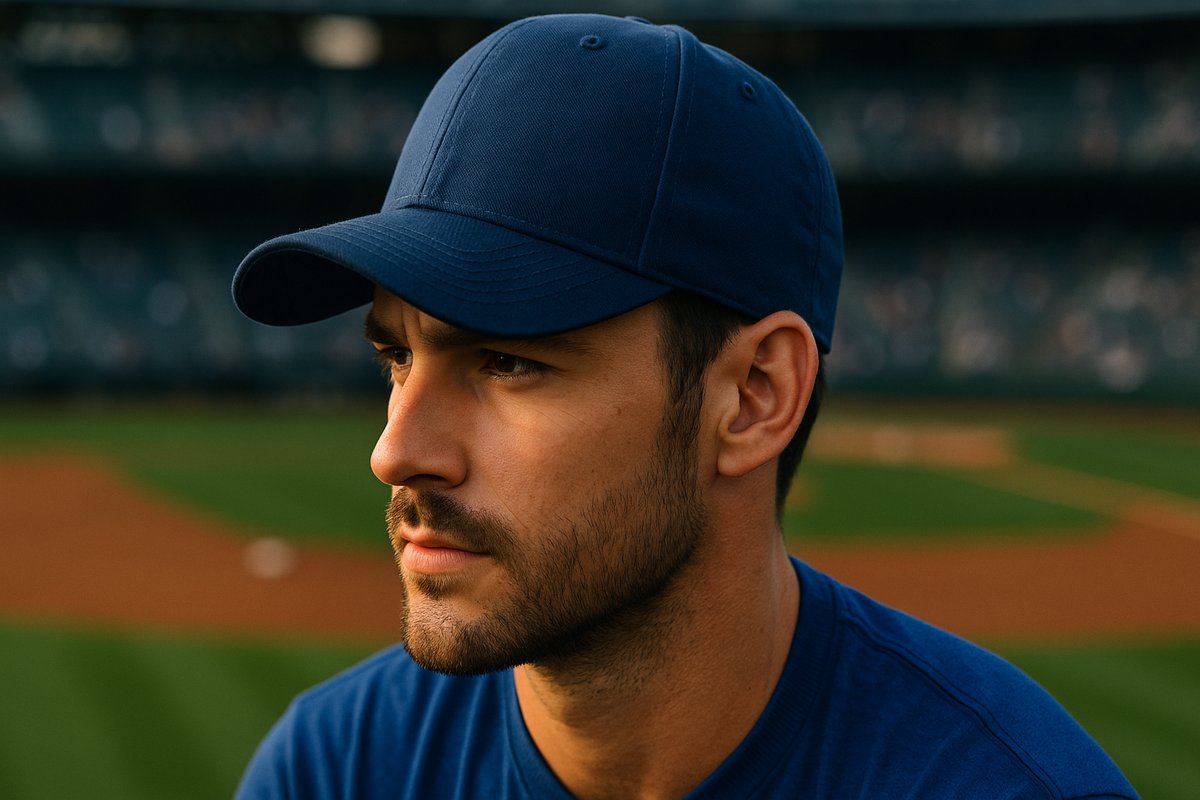
From the bleachers of Fenway Park to the streets of Tokyo, the baseball cap transcends geographic boundaries and generational divides. Understanding the story behind this iconic headwear reveals fascinating insights into how sports equipment becomes cultural phenomenon.
The Origins of the Baseball Cap: 1860s Innovation
The baseball cap didn’t exist before professional baseball. When teams began organizing in the mid-1800s, players needed practical headwear that wouldn’t impede their vision while fielding or batting. The Brooklyn Excelsiors are widely credited with introducing the first baseball-style cap around 1860, featuring a rounded crown and a stiff bill to shield players’ eyes from the sun.
Early baseball caps were constructed from wool felt, significantly different from modern materials. The design was revolutionary for its time—unlike top hats or bowlers that dominated Victorian-era fashion, the baseball cap offered genuine functionality without sacrificing style. Players appreciated how the bill’s visor kept sun glare from their eyes during daylight games, while the fitted crown stayed secure during running and fielding.
By the 1870s and 1880s, as professional baseball leagues became more established, each team began customizing their caps with unique colors and eventually team letters or logos. This branding element proved crucial in the cap’s evolution from simple equipment to iconic merchandise. Fans wanted to wear the same caps as their favorite players, establishing a merchandising tradition that persists today.
Baseball Cap Design Evolution Through the Decades
The fundamental structure of the baseball cap remained relatively consistent throughout the early 20th century. However, material innovation gradually transformed the headwear. Cotton blends began replacing pure wool in the 1920s and 1930s, making caps lighter, more breathable, and easier to launder. The addition of a pre-curved bill in the 1950s improved comfort and functionality.
The 1970s and 1980s marked a turning point when sports merchandising exploded into mainstream culture. The baseball cap transitioned from purely utilitarian equipment to fashion accessory. Major League Baseball capitalized on this trend by licensing official team caps to sports retailers nationwide. Suddenly, wearing your team’s cap wasn’t just a statement of fandom—it became an affordable way for fans to feel connected to their favorite players.
Modern baseball cap manufacturing uses advanced materials including moisture-wicking synthetic fabrics, breathable mesh panels, and innovative closure systems. The classic adjustable snap closure has been supplemented (though rarely replaced) by velcro straps and structured fitted designs. Premium versions feature reinforced bills, embroidered logos instead of printed ones, and heritage construction methods that honor baseball’s traditions.
Why the Baseball Cap Dominates Sports Fashion
Unlike other sports headwear that remains primarily functional, the baseball cap has achieved unparalleled crossover appeal. Several factors contribute to this dominance:
Universal Fit: The adjustable design accommodates virtually every head shape and size, from children to adults. This inclusivity expanded the cap’s potential market far beyond professional athletes.
Team Identity: MLB teams have built massive merchandising empires around their cap logos. The New York Yankees cap, featuring its interlocking “NY” logo, became iconic even among non-baseball fans. The Boston Red Sox “B” and Los Angeles Dodgers “LA” follow closely in global recognition.
Affordable Loyalty: A quality baseball cap costs significantly less than jerseys or other sports apparel, making team representation accessible to broader audiences. This affordability fueled explosive growth in sports merchandising.
Practical Versatility: The baseball cap works for genuinely different purposes—sun protection during outdoor activities, weather protection during variable conditions, and hair management during exercise. It’s equally functional for outdoor laborers, outdoor enthusiasts, and casual wearers.
MLB and the Baseball Cap as Cultural Icon
Major League Baseball transformed the baseball cap from equipment into brand extension. Each of the thirty MLB teams invested heavily in distinctive cap designs that became immediately recognizable. The New York Yankees’ caps are estimated to be the best-selling sports caps globally, with the franchise earning substantial licensing revenue.
Players themselves became walking advertisements. When Mike Trout, Clayton Kershaw, or Aaron Judge appear in public wearing their team’s cap, millions of fans notice. This organic promotion drives demand that manufacturing can barely keep pace with during championship runs.
College baseball amplified this cultural trend. NCAA programs developed their own cap designs, allowing collegiate fans to represent their schools with the same pride as MLB supporters. The tradition of “breaking in” a new cap—wearing it repeatedly until it molds to the wearer’s head—creates personal attachment that transcends mere fashion.
Modern Baseball Cap Innovations and Styles
Today’s baseball cap market is extraordinarily diverse. Heritage brands like New Era, the official cap manufacturer for MLB since 1993, offer vintage-inspired styles alongside cutting-edge performance designs. Collectors seek rare vintage caps from defunct teams or specific seasons, driving premium prices for authentic deadstock merchandise.
The “dad hat” trend revived classic unstructured cap designs that dominated the 1990s, while fitted caps without adjustable closures appeal to players and serious fans seeking a more polished appearance. High-end fashion designers including Ralph Lauren, Gucci, and Supreme have elevated the baseball cap to luxury accessory status, proving the silhouette’s enduring appeal across demographics.
Performance innovations continue advancing the baseball cap’s utility. Moisture-wicking materials keep sweat away from the eyes during athletic activity. UV protection built into fabrics addresses sun safety concerns. Reflective elements improve visibility during early morning or evening activities. Some premium models incorporate sweat-absorbent leather sweatbands that recall vintage designs while providing modern functionality.
The Baseball Cap’s Global Influence
Perhaps most remarkably, the baseball cap transcended American culture to achieve worldwide prominence. Japanese, Korean, and European audiences embrace the baseball cap enthusiastically, often wearing MLB team caps despite minimal engagement with professional baseball. The cap represents American sports culture globally, functioning as a cultural ambassador for MLB.
International baseball leagues including the Japan Central League and Korean Baseball Organization have developed their own cap cultures, with team loyalty expressed through distinctive headwear. Baseball caps appear in casual fashion across continents, from urban streetwear in London to beach communities in Australia.
Collecting and Caring for Baseball Caps
Serious cap enthusiasts treat their collections as investments. Vintage caps from the Negro Leagues, early 20th-century teams, or rare color variations command significant prices among collectors. Proper storage—protecting caps on hat stands rather than crushing them in boxes—preserves their shape and structural integrity.
Cleaning requires careful attention. Hand-washing with mild soap and gentle scrubbing removes dirt without damaging embroidery or printed logos. Air drying maintains the bill’s curve and prevents material degradation. Collectors often have multiple caps of the same team in different conditions, allowing them to rotate wear and extend longevity.
Conclusion: The Enduring Legacy of the Baseball Cap
From its practical origins on 1860s baseball fields to its current status as a global fashion staple, the baseball cap represents something uniquely American—a functional design that evolved into cultural icon. Its ability to serve simultaneously as sports equipment, fan merchandise, fashion statement, and sun protection explains its unmatched dominance among headwear styles.
The baseball cap embodies baseball’s democratizing spirit. Unlike exclusive luxury goods, a quality cap remains affordable for virtually everyone, enabling fans across economic backgrounds to represent their teams proudly. This accessibility, combined with genuine utility and aesthetic versatility, ensures the baseball cap will remain central to sports culture and casual fashion for generations to come.