
Baseball Cards: A Complete Guide to Collecting, Investing, and the Modern Market
The Evolution of Baseball Cards
Baseball cards have captivated fans and collectors for over 150 years, transforming from simple tobacco card inserts into a multi-billion-dollar collectibles market. What started as promotional items in cigarette packages during the 1880s has become a legitimate investment vehicle and passionate hobby for millions worldwide. Today’s baseball cards represent far more than nostalgia—they’re tangible pieces of sports history, graded by third-party authenticators and traded on sophisticated marketplaces.
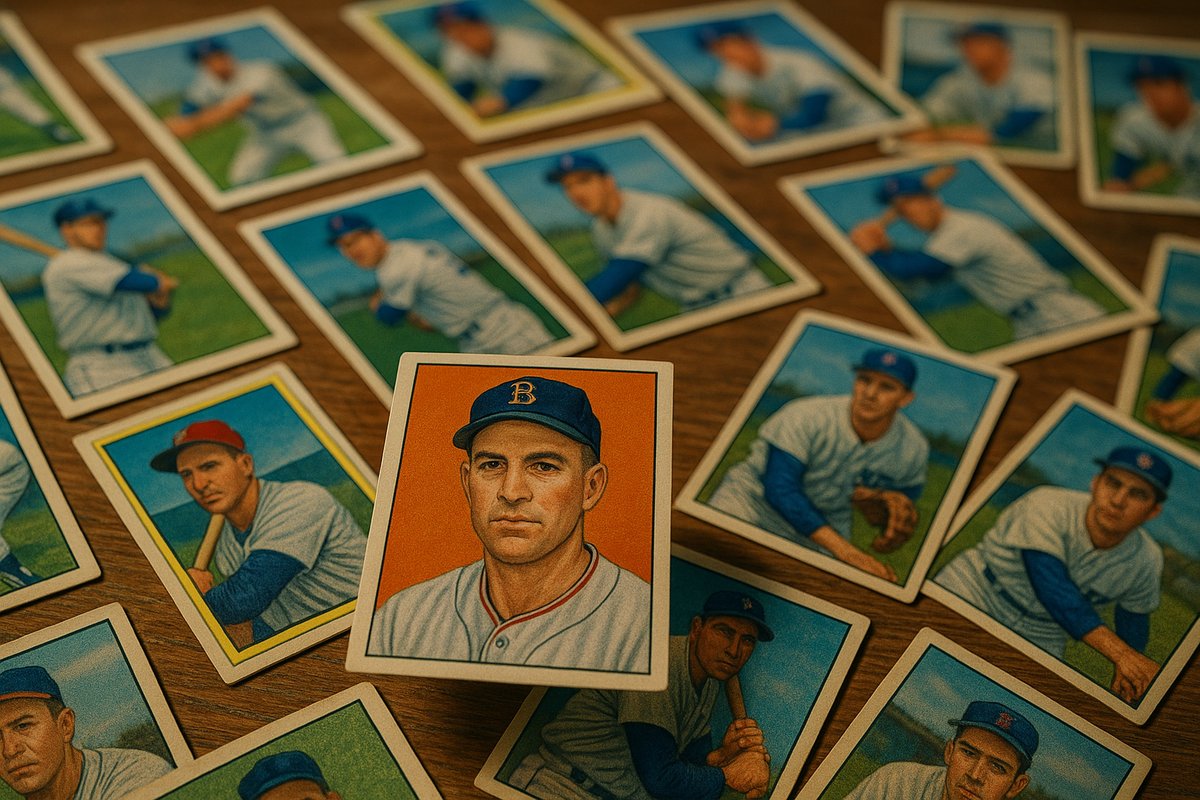
The modern baseball card era reflects the sport’s evolution. From the iconic T206 Honus Wagner card (valued at over $6 million) to contemporary rookie sensations commanding five-figure sums, baseball cards track the trajectory of America’s pastime while offering collectors a unique blend of entertainment, history, and financial opportunity.
Understanding Baseball Card Grading and Authentication
Professional card grading has revolutionized the baseball cards market. Third-party graders like PSA (Professional Sports Authenticator), BGS/Beckett, and SGC evaluate cards on a 1-10 scale, assessing condition, centering, corners, edges, and surface quality. A PSA 10 (Gem Mint) represents near-perfection, while a PSA 8 (Near Mint-Mint) indicates minimal wear.
Grading serves multiple purposes: it authenticates cards against counterfeits, provides objective condition assessment, and dramatically impacts resale value. A 1952 Mickey Mantle card graded PSA 5 might fetch $150,000, while the same card graded PSA 8 could exceed $2 million. For modern baseball cards, grading is nearly universal—serious collectors rarely purchase ungraded contemporary cards.
Vintage vs. Modern Baseball Cards: What’s the Difference?
The baseball cards landscape divides into distinct eras, each with unique characteristics and investment profiles.
Vintage Cards (Pre-1980): These include the most iconic and valuable baseball cards ever printed. T206 cards (1909-1911), 1933-1939 Goudey cards, 1952 Topps, and 1968-1974 commons represent generational investment pieces. Vintage card values appreciate slowly but steadily, with legendary player rookies (Babe Ruth, Lou Gehrig, Ted Williams, Mickey Mantle) commanding premium prices regardless of condition.
Junk Wax Era (1980-1995): Massive overproduction during these years saturated the market with low-value commons. Modern collectors largely avoid this period unless targeting specific Hall of Famers or notable rookies (Ken Griffey Jr., Nolan Ryan).
Modern Baseball Cards (1996-Present): These cards represent the current collecting focus. Modern baseball cards emphasize rookie cards (RCs) of young superstars—Fernando Tatis Jr., Mike Trout, Shohei Ohtani, and Juan Soto rookies have commanded extraordinary prices. Premium brands like Topps, Panini, and Upper Deck release limited-edition, high-end products featuring autographs, game-worn relics, and parallel variations.
Key Baseball Card Sets Every Collector Should Know
Understanding foundational baseball cards sets helps collectors build strategic collections:
- 1952 Topps: The first modern baseball card set, featuring Mickey Mantle’s iconic rookie card. High-grade examples are extraordinarily rare and expensive.
- 1968 Topps: Features rookie cards of legends like Nolan Ryan. PSA 10s remain valuable despite higher print runs.
- 1986 Fleer: Contains Barry Bonds’ rookie card, a significant modern investment piece.
- 1989 Upper Deck: Introduced the hologram security feature and higher print quality, establishing upper-end baseball cards market.
- 2009 Bowman Chrome: Mike Trout autograph rookie cards represent the ceiling of modern baseball card investment, with PSA 10 copies valued over $500,000.
- 2018 Leaf: Shohei Ohtani’s first U.S. baseball cards, critical investments for advanced collectors.
Building a Strategic Baseball Card Collection
Successful baseball cards collecting requires clarity on objectives. Are you seeking nostalgia, player fandom, or investment returns?
For Nostalgic Collectors: Focus on players from your formative sports memories. Raw, ungraded cards offer excellent value if condition doesn’t matter. Many collectors enjoy ungraded commons from the 1970s-1990s at minimal cost while experiencing the hobby’s pure joy.
For Investor Collectors: Concentrate on rookie cards of proven superstars, vintage cards of Hall of Famers, and modern rookie sensations from emerging talent. Always purchase graded cards—ungraded modern baseball cards lack liquidity and authentication. Focus on PSA 8+ for modern cards and PSA 6+ for vintage pieces.
For Completionists: Pursue entire sets or specific player collections. This demands patience, significant capital, and market knowledge. Master sets (all cards from a particular year) represent long-term collecting commitments.
Budget-Friendly Baseball Card Strategies
You needn’t spend thousands entering baseball cards collecting:
- Purchase ungraded commons from 1970s-1980s sets ($0.25-$5 per card)
- Target error cards and variations (often undervalued)
- Buy raw rookie cards of solid major leaguers (often $10-$50)
- Explore lesser-known vintage sets with great artwork but modest values
- Attend card shows for dealer bargains and direct negotiations
The Modern Baseball Cards Market: 2024 Trends
The contemporary baseball cards market reflects dynamic shifts in collecting culture and investment patterns.
Digital Integration: Major League Baseball and Topps have expanded digital baseball cards through apps and blockchain platforms, though physical cards maintain dominance among serious collectors.
Rookie Card Premiums: Young superstar rookie cards remain the market’s primary driver. Juan Soto’s 2022 Bowman Chrome rookie, Fernando Tatis Jr.’s cards, and Shohei Ohtani’s 2017-2018 releases command premium pricing. As these players age and accumulate Hall of Fame credentials, early baseball cards become increasingly valuable.
Grading Population Reports: Advanced collectors utilize PSA’s population reports to identify scarce high-grade copies. Cards with few graded examples in top condition (PSA 8+) often appreciate faster than heavily produced sets.
Parallel Variations: Modern baseball cards include countless parallels (alternate versions with different backgrounds, serial numbers, or materials). Chrome refractors, gold parallels, and autographed versions create multiple price tiers within single sets.
Storage, Display, and Preservation of Baseball Cards
Protecting baseball cards investments requires proper storage conditions:
- Temperature Control: Maintain 65-75°F. Extreme fluctuations cause card warping and deterioration.
- Humidity Management: Keep cards at 45-55% relative humidity. Excessive moisture promotes mold; dry conditions cause brittleness.
- Light Protection: Store cards away from direct sunlight, which fades colors and damages print quality.
- Archival Materials: Use acid-free sleeves, top loaders, and storage boxes. Avoid PVC plastics, which degrade card surfaces over decades.
- Graded Card Holders: PSA slabs provide optimal protection, maintaining condition while displaying cards attractively.
Where to Buy and Sell Baseball Cards
Modern baseball cards transactions occur across diverse platforms:
Physical Venues: Local card shops, baseball memorabilia shows, and conventions offer immediate purchases, personal interaction, and negotiation opportunities. Many communities host monthly card shows featuring dozens of dealers.
Online Marketplaces: eBay dominates baseball cards resale, offering unmatched selection and competitive pricing. PWCC Marketplace, Heritage Auctions, and Goldin Auctions specialize in higher-end collectible cards with professional grading verification.
Collector Communities: Facebook groups, Reddit’s r/baseballcards, and Discord servers connect buyers and sellers. These communities offer educational resources, price transparency, and community authentication assistance.
Direct Sales: Serious collectors often connect directly, avoiding marketplace fees and commissions. Building reputation and network connections facilitates these transactions.
Common Baseball Card Collecting Mistakes to Avoid
Experienced collectors identify frequent pitfalls for newcomers:
- Overpaying for Condition: Modern baseball cards in PSA 6-7 condition often represent better value than pursuing perfectionistic PSA 9-10 copies.
- Chasing Hype: Viral rookie cards often peak quickly. Sustainable investments focus on proven talent with legitimate Hall of Fame trajectories.
- Ignoring Provenance: Cards with documented history and previous ownership appreciate faster than anonymous examples.
- Storing Ungraded Modern Cards: Ungraded modern baseball cards rarely retain value. Professional grading became standard for sound investment reasons.
- Neglecting Set Context: Understanding print runs, scarcity levels, and market saturation prevents buying into oversupplied sets.
The Investment Case for Baseball Cards
Legitimate financial arguments support baseball cards as alternative investments:
Historical Returns: Vintage rookie cards of Hall of Famers have appreciated 15-25% annually over 20-year periods. A 1952 Topps Mickey Mantle in PSA 5 appreciated from $40,000 (2010) to $150,000+ (2024)—approximately 12% annually.
Market Maturation: Professional grading, certified auction houses, and transparent pricing have legitimized baseball cards as collectible assets. Insurance companies now provide coverage; investment platforms track card portfolios.
Supply Constraints: Vintage cards face fixed supply—no new 1952 Topps cards enter circulation. As population ages and vintage cards are lost or destroyed, surviving copies appreciate.
Talent-Driven Demand: Mike Trout’s continued excellence and potential Hall of Fame trajectory ensures demand for his rookie cards remains robust. Similar dynamics apply to emerging superstars.
However, collectors should understand risks: modern baseball cards markets can be speculative, hobby-focused purchases often outperform speculative investments, and condition fluctuations create volatility.
Conclusion: Why Baseball Cards Matter
Whether pursuing nostalgia, fandom, or financial appreciation, baseball cards represent something uniquely compelling in American collecting culture. They capture athletic achievement at specific moments—a rookie’s debut, a milestone season, a legendary performance. That tangibility explains why baseball cards have endured for 150 years and evolved into a sophisticated, multi-billion-dollar market.
Starting a baseball cards collection requires only passion for the game and clarity on your collecting objectives. Whether investing in PSA 10 Mike Trout rookies or enjoying ungraded commons from your childhood, baseball cards offer lasting enjoyment and genuine financial opportunity for disciplined collectors who understand the market’s nuances.
Sources
- MLB.com — Official Major League Baseball news, scores, and statistics
- ESPN MLB — Comprehensive baseball coverage, standings, and analysis
- Baseball Reference — Historical baseball statistics and player data
- FanGraphs — Advanced baseball statistics and sabermetric analysis
- PWC Marketplace — Sports card pricing and market data