
4th of July Baseball: Tradition, Records, and Must-Watch Games
4th of July Baseball: America’s Game on America’s Birthday
There’s nothing quite like combining two of America’s greatest traditions in a single day: baseball and Independence Day. The 4th of July baseball games have become a cornerstone of the MLB calendar, drawing massive crowds and delivering unforgettable moments that blend patriotism with athletic excellence. For over a century, fans have flocked to stadiums across the country to celebrate freedom with fireworks, hot dogs, and hardball.
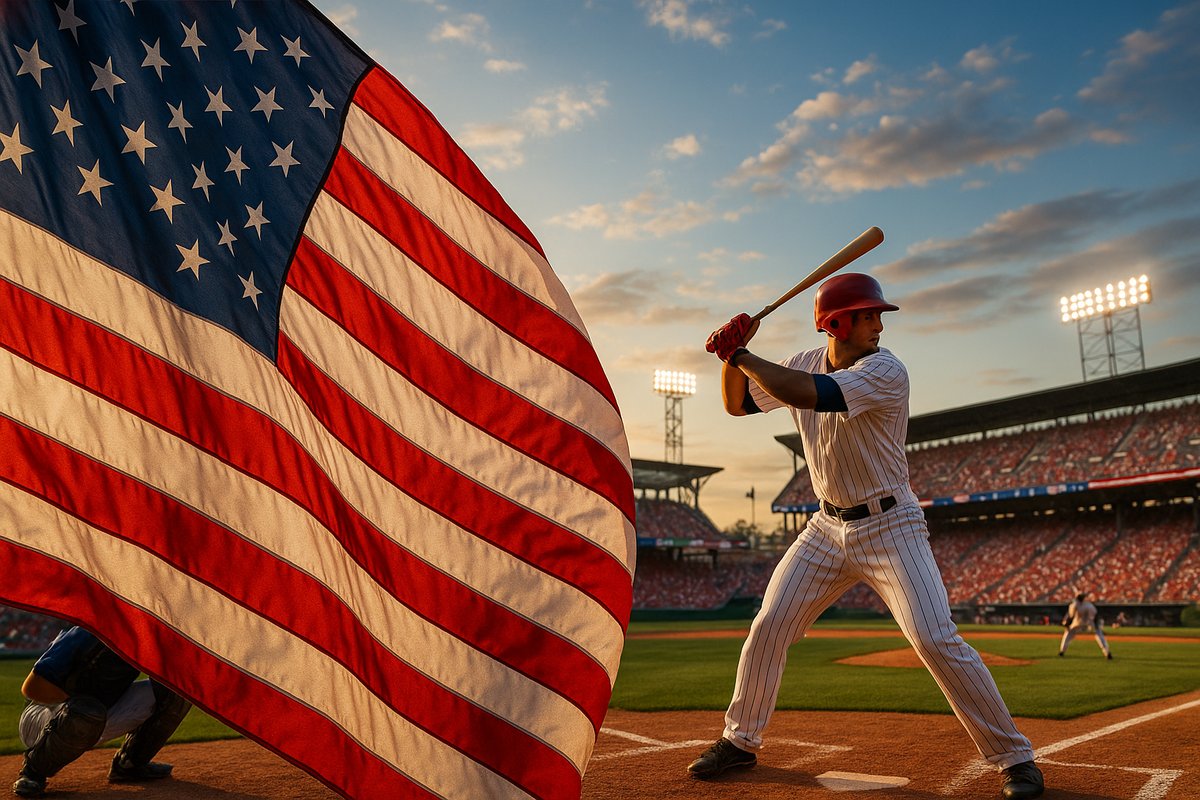
The tradition of playing 4th of July baseball stretches back to the early days of professional baseball. MLB has made July 4th a priority in its schedule, recognizing that the holiday represents the perfect convergence of baseball culture and American pride. Whether it’s a regular season matchup or a special holiday promotion, 4th of July baseball games consistently rank among the most attended and celebrated events of the summer season.
Why 4th of July Baseball Matters to Fans
Independence Day is more than just a day off work—it’s a celebration of American values and freedom. Baseball, often called “America’s Pastime,” has always been intertwined with national identity. When you combine these two cultural pillars, you create an event that resonates deeply with fans across all demographics.
The 4th of July baseball schedule typically features:
- Primetime games scheduled in the evening to allow families to attend after Independence Day festivities
- Pre-game patriotic ceremonies including the National Anthem, military flyovers, and color guard presentations
- Post-game fireworks shows that light up the sky after the final out
- Special promotions featuring patriotic-themed merchandise and food offerings
- Increased attendance from casual fans looking for a full holiday experience
Stadium operators understand that 4th of July baseball attracts not just die-hard baseball fans, but families seeking an entertainment experience that honors American traditions. This unique appeal creates an electric atmosphere that’s distinctly different from regular season games.
Iconic 4th of July Baseball Games and Moments
Baseball history is filled with memorable Independence Day performances that have become legendary among fans and historians. These games showcase some of the sport’s most compelling moments, often determined by clutch hitting, outstanding pitching, or dramatic comebacks.
One of the most iconic Independence Day baseball moments occurred during a game featuring two traditional rivals. The combination of holiday atmosphere, prime television coverage, and high stakes creates conditions for unforgettable baseball theater. Players understand the significance of performing on 4th of July, and many have used the occasion to cement their place in baseball lore.
Legendary hitters have launched memorable home runs on July 4th, with some of baseball’s greatest sluggers using the holiday spotlight to showcase their power. These performances often become defining moments in franchise histories and are replayed for generations of baseball fans.
4th of July Baseball Attendance Records
The appeal of 4th of July baseball translates directly into stadium attendance figures. Many MLB teams report their highest regular-season attendance numbers on Independence Day, with some ballparks reaching capacity well before game time. The combination of holiday celebration and baseball creates demand that surpasses typical summer weekday games.
Fan engagement metrics consistently show that 4th of July baseball generates significant interest across traditional and digital media. Social media activity spikes on Independence Day as fans share their game-day experiences, celebrate their favorite teams, and participate in the broader conversation around baseball’s role in American culture.
Teams in major markets—particularly those with storied franchises and historic ballparks—see especially robust attendance on July 4th. The experience of watching baseball in an iconic stadium while celebrating Independence Day represents a quintessential American experience that families prioritize in their summer plans.
Regional Variations in 4th of July Baseball Celebrations
While all MLB teams recognize the significance of 4th of July baseball, regional traditions and local customs add unique flavor to each team’s celebrations. Some franchises have built their Independence Day celebrations into community institutions.
West Coast teams often schedule games earlier to take advantage of the extended daylight hours, while East Coast franchises frequently feature primetime evening games followed by fireworks. Texas teams sometimes incorporate local patriotic traditions, while teams in historically significant baseball cities might reference their particular contributions to the sport’s heritage.
The regional differences in 4th of July baseball create diverse experiences that reflect local culture while maintaining the national character of the holiday. Fans traveling to different ballparks on Independence Day discover that while the core elements remain consistent, each franchise adds its own distinctive touches.
The Statistics and Records of July 4th Baseball
From a statistical standpoint, 4th of July baseball games provide interesting data for analysis. Researchers have examined performance metrics to determine whether the holiday atmosphere affects player performance, and the results are nuanced.
Some studies suggest that home teams enjoy a pronounced advantage on July 4th due to familiar crowd support and ballpark conditions. Other analysis indicates that certain players—particularly power hitters—perform at elevated levels on Independence Day, possibly motivated by the significant audience and national television coverage.
Pitching statistics on July 4th show interesting patterns as well. The typically longer games resulting from increased fan enthusiasm (and accompanying delays) can affect pitcher workload and strategy. Bullpen usage on July 4th often differs from standard game patterns, with managers sometimes employing unconventional approaches to manage through holiday-extended games.
Modern 4th of July Baseball Traditions
Contemporary 4th of July baseball has evolved to incorporate multimedia experiences that extend beyond the ballpark. Live streaming, social media integration, and broadcast innovations allow millions of fans to participate in the celebration regardless of location.
MLB has strategically positioned July 4th baseball within its broader entertainment offering, recognizing that Independence Day represents a prime opportunity to attract casual fans and introduce younger generations to the sport. Special broadcast graphics, patriotic presentation elements, and enhanced audio-visual production give 4th of July baseball a distinctive look and feel.
Player participation in pre-game ceremonies and patriotic tributes has become more prominent in recent years. Notable athletes often take visible roles in flag presentations, National Anthem performances, and salutes to military personnel, adding celebrity appeal to the civic dimensions of the celebration.
Planning Your 4th of July Baseball Experience
For fans interested in attending a 4th of July baseball game, advance planning is essential. These games sell out quickly, and tickets should be obtained weeks in advance. Stadium gates typically open earlier than usual to accommodate the extended pre-game festivities and patriotic ceremonies.
Consider these factors when planning your 4th of July baseball outing:
- Ticket availability—purchase early as July 4th games are among the year’s most popular
- Parking—arrive significantly early as lots fill up rapidly on the holiday
- Weather conditions—July heat can be intense; plan accordingly with sunscreen and hydration
- Food and beverage planning—popular items may sell out; arrive prepared with alternatives
- Timing—games may run longer than usual; plan your evening accordingly
The complete 4th of July baseball experience includes arriving early enough to soak in the pre-game atmosphere, enjoying the game itself, and typically staying for the post-game fireworks show. This extended timeline makes for a full evening of entertainment that justifies the early arrival and extended commitment.
4th of July Baseball and National Identity
At its core, the tradition of 4th of July baseball represents something deeper than sports entertainment. The games reflect America’s ongoing relationship with its pastimes, symbols, and values. Baseball, as a sport built on individual achievement within team contexts, mirrors American ideals of opportunity and collective success.
The holiday’s timing—mid-summer, school vacation period, family-oriented—aligns perfectly with baseball’s seasonal rhythm. Children attending their first 4th of July baseball game often develop lifelong connections to the sport, creating generational bonds around the tradition.
Independence Day baseball games serve as secular civic ceremonies, bringing diverse communities together in shared celebration. The sport transcends regional, socioeconomic, and demographic boundaries, making 4th of July baseball uniquely positioned to function as a unifying national tradition.
The Future of 4th of July Baseball
As MLB continues evolving, the tradition of 4th of July baseball remains a cornerstone of the regular season schedule. The league has demonstrated consistent commitment to elevating these games through scheduling prioritization, broadcast prominence, and marketing emphasis.
Technological innovations promise enhanced future experiences, from augmented reality fan engagement to immersive broadcast presentations. However, the essential appeal of 4th of July baseball likely remains constant: the opportunity to celebrate American independence while enjoying the sport deeply woven into national culture.
For baseball fans and casual observers alike, 4th of July baseball represents an accessible entry point to the sport. Whether attending in person or watching from home, the holiday games remind us why baseball has earned its status as America’s Pastime, and why Independence Day and baseball will remain intertwined in the national consciousness for generations to come.
Sources
- MLB.com — Official Major League Baseball website with schedules, records, and historical data
- ESPN MLB — Comprehensive MLB news, scores, and game coverage
- Baseball Reference — Historical MLB statistics, records, and player data
- FanGraphs — Advanced baseball analytics, articles, and statistical analysis