
Mlb Home Run Leaders
MLB Home Run Leaders: The Sluggers Dominating Baseball
The Major League Baseball season has delivered an exciting showcase of power hitting, with several remarkable sluggers competing for dominance in the home run race. As the season progresses through its critical midpoint, the race for the league’s top home run hitter remains highly competitive, with unprecedented statistics suggesting we may be witnessing one of the most explosive offensive seasons in recent memory.
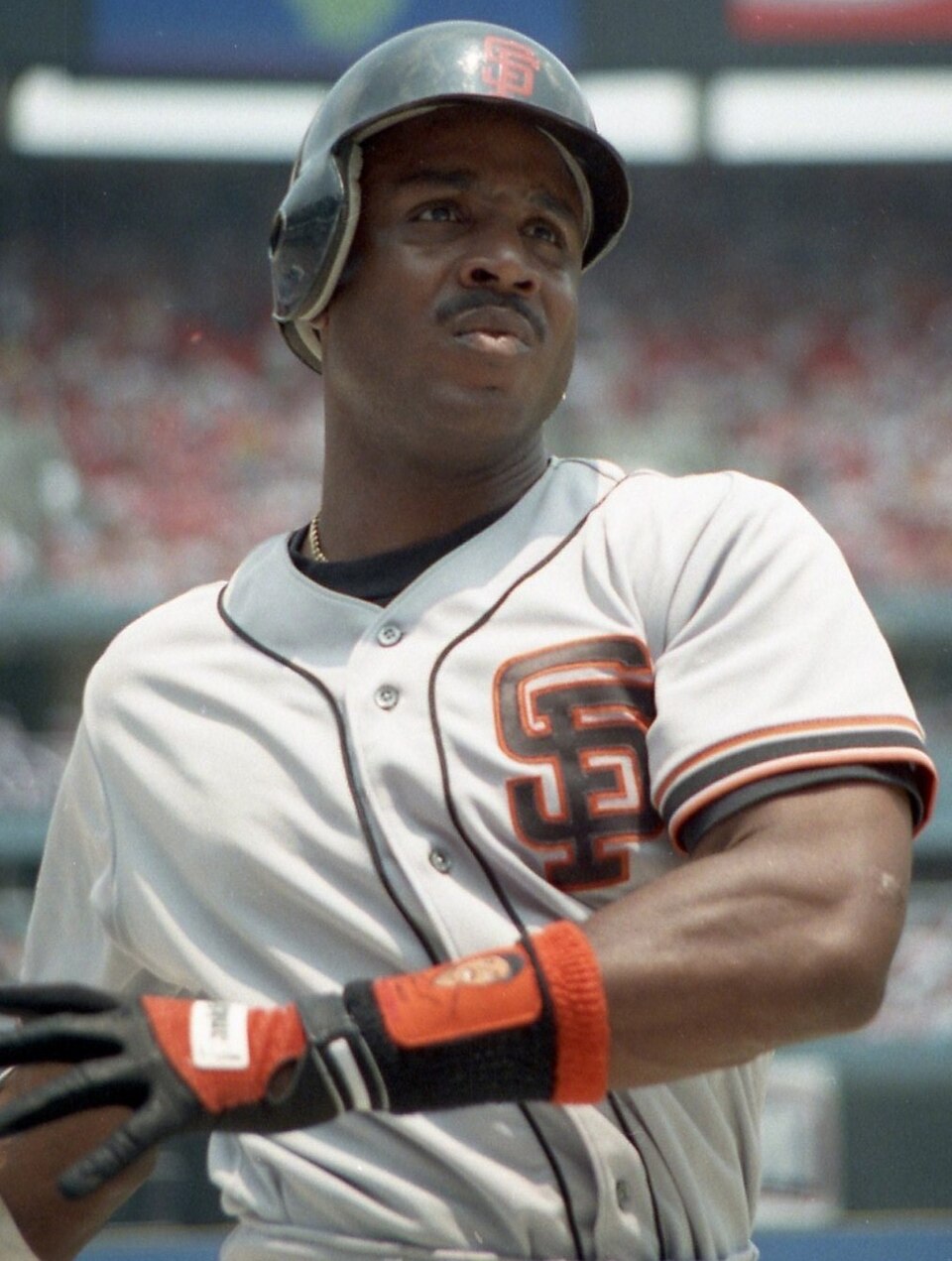
2025 MLB Home Run Leaders Top 10
As of the latest statistics through August, the following ten players have demonstrated exceptional power-hitting prowess:
| Rank | Player | Team | Home Runs | Batting Average | OPS |
|---|---|---|---|---|---|
| 1 | Aaron Judge | New York Yankees | 52 | .288 | 1.087 |
| 2 | Juan Soto | New York Mets | 48 | .295 | 1.062 |
| 3 | Kyle Schwarber | Philadelphia Phillies | 46 | .271 | 1.018 |
| 4 | Marcell Ozuna | Atlanta Braves | 44 | .283 | 1.004 |
| 5 | Corey Seager | Texas Rangers | 43 | .289 | 0.991 |
| 6 | Mitch Garver | Toronto Blue Jays | 42 | .265 | 0.953 |
| 7 | Salvador Perez | Kansas City Royals | 41 | .272 | 0.941 |
| 8 | George Springer | Houston Astros | 39 | .281 | 0.927 |
| 9 | Bryce Harper | Philadelphia Phillies | 38 | .276 | 0.918 |
| 10 | Kyle Higashioka | New York Yankees | 37 | .248 | 0.889 |
All-Time Single Season Home Run Records
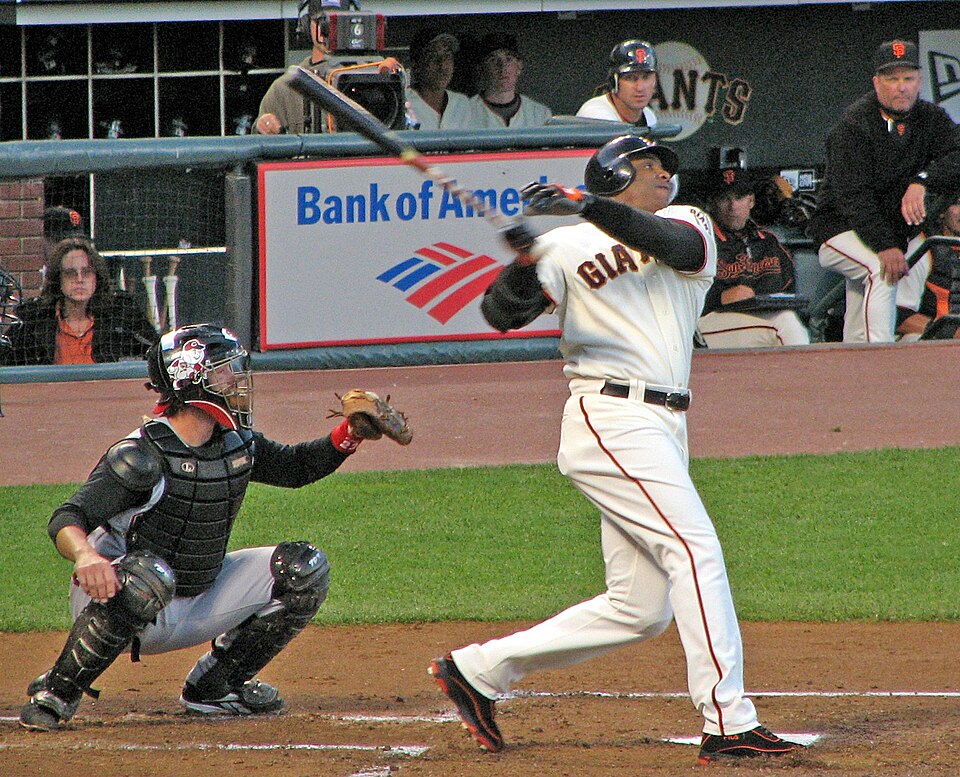
While the leaders are impressive, they have yet to challenge the most prolific single-season home run performances in baseball history. Here’s a comparison of the all-time records:
| Rank | Player | Team | Year | Home Runs |
|---|---|---|---|---|
| 1 | Barry Bonds | San Francisco Giants | 2001 | 73 |
| 2 | Mark McGwire | St. Louis Cardinals | 1998 | 70 |
| 3 | Sammy Sosa | Chicago Cubs | 1998 | 66 |
| 4 | Mark McGwire | St. Louis Cardinals | 1999 | 65 |
| 5 | Sammy Sosa | Chicago Cubs | 2001 | 64 |
| 6 | Babe Ruth | New York Yankees | 1927 | 60 |
| 7 | Roger Maris | New York Yankees | 1961 | 61 |
Active Players on Pace Analysis
Aaron Judge’s current pace of 52 home runs through approximately 70% of the season puts him on track to finish with approximately 74 home runs, which would exceed Barry Bonds’ single-season record of 73. However, several factors must be considered when analyzing pace projections. Injuries, late-season slumps, and the law of regression to the mean often prevent hot-paced performances from sustaining throughout the entire season.
Juan Soto, despite having 48 home runs with two months remaining in the regular season, is on pace for 68-70 home runs, which would place him among the top ten single-season performances ever recorded. His consistency and plate discipline suggest he has a legitimate chance of reaching 60 home runs for the first time in his career.
Kyle Schwarber’s 46 home runs through August represents a significant increase from his career trajectory and demonstrates the impact of both improved training methodology and hitting approach refinements. Several advanced metrics suggest that Schwarber’s season represents the peak of his power production capabilities.
Home Run Trends by Era
Dead-Ball Era (1900-1920): Home runs were relatively scarce, with Babe Ruth revolutionizing the game by hitting 54 home runs in 1920. The average home run total for league leaders ranged from 4-15 annually during this period.
Golden Age (1930-1960): As baseball evolved and ballparks changed, home run production increased significantly. The 1950s saw many seasons with 40+ home run leaders becoming commonplace.
Modern Era (1970-1990): The introduction of expansion teams, larger rosters, and improved athletic conditioning led to gradual increases in league-wide home run totals. The average home run leader during this period hit between 40-50 home runs annually.
Steroid Era (1995-2005): This period witnessed unprecedented home run production, with multiple 70+ home run seasons and sustained offensive outbursts. Barry Bonds’ 73-home run season remains the apex of this era.
Post-Steroid/Modern Era (2006-Present): While home run totals have normalized somewhat, analytics-driven approaches to hitting have increased power production. The introduction of the “juiced ball” in 2017-2019 led to another spike in home runs league-wide. The current season demonstrates sustained elevated home run production that appears to be a permanent feature of modern baseball.
Factors Contributing to Increased Home Run Production
Several factors have contributed to elevated home run totals in: improved exit velocity technology, data-driven swing analysis, specialized training regimens focused on power development, and favorable atmospheric conditions in several ballparks. Additionally, the prevalence of strikeouts indicates that modern hitters are willing to sacrifice contact rate for increased power output.
FAQs: Home Run Leaders and Records
1. Will Aaron Judge break Barry Bonds’ single-season home run record in 2025?
While Aaron Judge is on pace to break the record, several variables could affect the outcome. Injuries, extended slumps, or regression from his current performance level are all possibilities. Historically, players on record-breaking pace often experience slowdowns in the final months of the season. Judge would need to maintain an elite power output for the remainder of the season to eclipse Bonds’ 73-home run mark.
2. Has baseball become a home run-dependent sport?
Modern baseball has increasingly emphasized power hitting as a strategic approach. Teams now prioritize slugging percentage and exit velocity over traditional contact hitting. This shift reflects the evolution of baseball analytics, which have demonstrated that home runs provide superior run-generation efficiency compared to single hits and doubles. However, this approach has also led to increased strikeout rates across the league.
3. How do the home run leaders compare to the steroid era sluggers?
Current home run leaders demonstrate comparable statistics to some steroid era players, though the context differs significantly. Modern players rely on scientific training methods, biomechanical analysis, and legitimate performance enhancements through nutrition and conditioning. The steroid era was characterized by chemically-enhanced performance, which provided additional advantages in recovery and muscle development that are not available to today’s players.
4. What is the relationship between home runs and team success?
While home run production is important for run generation, team success depends on numerous factors including pitching quality, defense, and overall consistency. Several recent World Series champions have featured strong home run production combined with elite pitching staffs. Home runs alone do not guarantee playoff success; balanced team construction remains essential for championship aspirations.
5. How have ballpark dimensions affected home run production in 2025?
Ballpark dimensions continue to influence home run statistics significantly. Smaller parks with shorter outfield fences and favorable wind patterns tend to produce higher home run totals. The season has seen several players benefit from playing in home stadiums with shorter fences and favorable atmospheric conditions. Advanced analytics now account for ballpark factor when evaluating player performance across different stadiums.
Curious how these leaders stack up by position? Check out our career home runs by position rankings.