
What’s Really Inside a Big Leaguer’s Baseball Bag
Walk into any MLB clubhouse before first pitch and you’ll see rows of them lined up like soldiers — the modest, oversized duffel that carries a player’s entire professional identity. A baseball bag isn’t just storage. It’s a curated toolkit built around decades of rule changes, equipment innovation, and the quirks of individual performance. Dig into what’s packed inside one, and you’re really digging into the sport’s evolving relationship with gear, superstition, and stats.
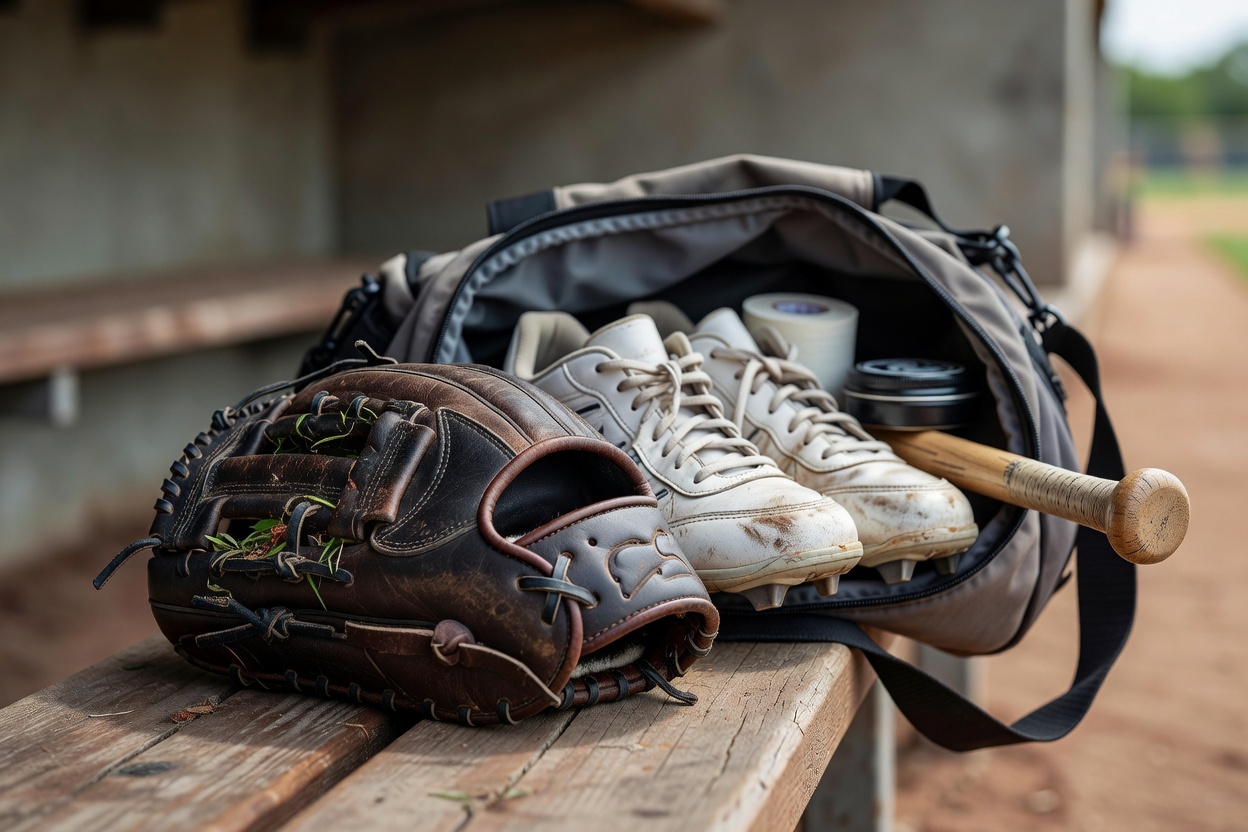
The Baseball Bag as a Data Point, Not Just Luggage
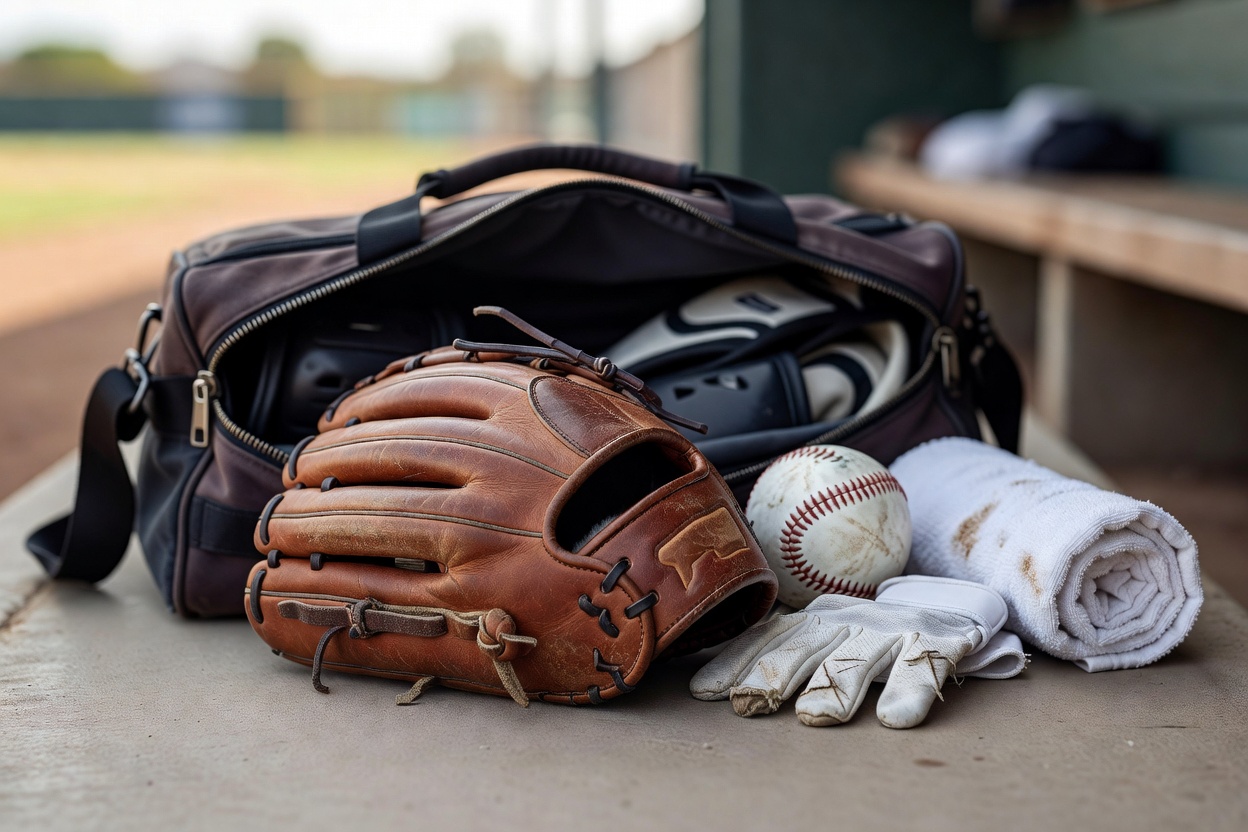
Stat nerds tend to ignore equipment because it doesn’t show up in a box score. That’s a mistake. Bat weight, glove break-in time, cleat traction — these variables shape swing mechanics and defensive range in ways that eventually surface in the numbers. A player’s baseball bag is essentially a physical manifestation of their preparation routine, and preparation routines correlate with performance consistency.
Consider bat selection. Players routinely travel with 8 to 12 bats per road trip, each cut to slightly different weights and barrel profiles depending on matchup tendencies. MLB’s official equipment glossary notes that bat specifications are far from arbitrary — length, weight, and wood type (maple, ash, birch) all affect exit velocity and bat speed, two metrics Statcast tracks obsessively. A player who carries three different bat weights isn’t being indecisive. He’s hedging against fatigue late in a series, when bat speed naturally drops.
Gloves: The Most Personal Item in the Bag
No two gloves in a big league baseball bag are broken in the same way. Middle infielders favor smaller pockets for quicker transfers — look at the shallow webbing on gloves used by contact-oriented shortstops versus the deep-pocketed first base mitts built to smother errant throws. Rawlings, the league’s dominant glove manufacturer since the 1950s, has documented how glove shape shifted alongside defensive strategy, particularly after the introduction of the Gold Glove Award in 1957 pushed teams to prioritize measurable defensive value.
The rise of defensive metrics like Outs Above Average and Ultimate Zone Rating has only intensified glove customization. Players now request webbing patterns based on their specific defensive metrics profile — a diving-range shortstop wants different pocket depth than a positioning-based one. Baseball-Reference’s defensive glossary lays out how these metrics are calculated, and front offices increasingly treat glove specs as part of the defensive optimization conversation, not just personal preference.
What History Says About Equipment Bags
The baseball bag as we know it — the rectangular duffel with the shoulder strap and cleat compartment — is a relatively modern convenience. Players in the Deadball Era carried gear in simple canvas sacks or left equipment at the ballpark entirely, since travel was regional and gloves were treated as disposable. The National Baseball Hall of Fame’s archives show equipment from the early 1900s that looks almost unrecognizable compared to today’s gear — thin, nearly padless gloves that fielders often removed to catch pop-ups barehanded.
That changed dramatically after World War II, as manufacturers like Rawlings and Wilson began mass-producing standardized gloves and bats for a national market. By the 1970s and 80s, as free agency turned players into frequent flyers, the modern gear bag emerged out of necessity. Guys needed a single, durable container for road trips that could stretch 10 days across multiple time zones.
The Superstition Factor
Ask any clubhouse attendant and they’ll tell you: players are ritualistic about bag organization. Wade Boggs famously ate chicken before every game and had exacting pregame routines; many hitters today keep the same bat in the same bag pocket regardless of performance, refusing to “jinx” a hot streak by rearranging gear. This isn’t superstition for its own sake — behavioral consistency has real, if hard-to-quantify, ties to performance under pressure, something sports psychologists have studied extensively in high-leverage situations like two-strike counts or late-inning at-bats.
Youth and Amateur Levels: Different Bag, Different Priorities
At the amateur level, a baseball bag serves a more practical function — durability and organization matter more than customization. High school and travel ball players typically pack:
- A primary glove plus a backup, since amateur gloves haven’t gone through the extensive break-in process pros rely on
- Two to four bats spanning different weight drops, since youth players are still calibrating swing mechanics
- Batting gloves, often in multiple pairs, given how quickly grip tape wears down on non-professional-grade bats
- Cleats suited to the specific playing surface — turf spikes differ significantly from natural grass cleats in stud pattern
- A separate compartment for catcher’s gear if the player is dual-position, which is common at lower levels
Coaches at the amateur level increasingly recommend organizing gear by frequency of use rather than by type, since quick access during warmups and pregame reduces wasted time — a small efficiency gain that compounds across a long season.
Why Equipment Still Matters in an Analytics-Driven Game
It’s tempting to think the sabermetrics revolution made physical gear an afterthought — that spin rate and exit velocity are purely about mechanics and biomechanics, not equipment. But bat-ball collision physics depend heavily on bat construction, and MLB has tightened rules on bat specifications precisely because small changes in barrel diameter and weight distribution produce measurable offensive shifts. The league’s ongoing scrutiny of bat regulations, documented in MLB’s official rules updates, reflects how seriously the sport treats equipment as a performance variable.
So next time you see a player sling a baseball bag over his shoulder walking into the clubhouse, remember it’s carrying more than gear. It’s carrying the physical evidence of routine, superstition, defensive strategy, and decades of equipment evolution — all compressed into one overstuffed duffel that somehow always has room for one more bat.