
Longest Baseball Game Ever: The 33-Inning Marathon
Ask any serious baseball historian about the longest baseball game ever and you’ll get one answer immediately: Pawtucket versus Rochester, April 18-19, 1981. That International League contest between the Pawtucket Red Sox and the Rochester Red Wings ran 33 innings and roughly eight hours of actual playing time spread across two calendar days, becoming the gold standard for baseball endurance. No other professional game — minor league or major league — has matched its length, and the story behind it is stranger and more compelling than the box score alone suggests.
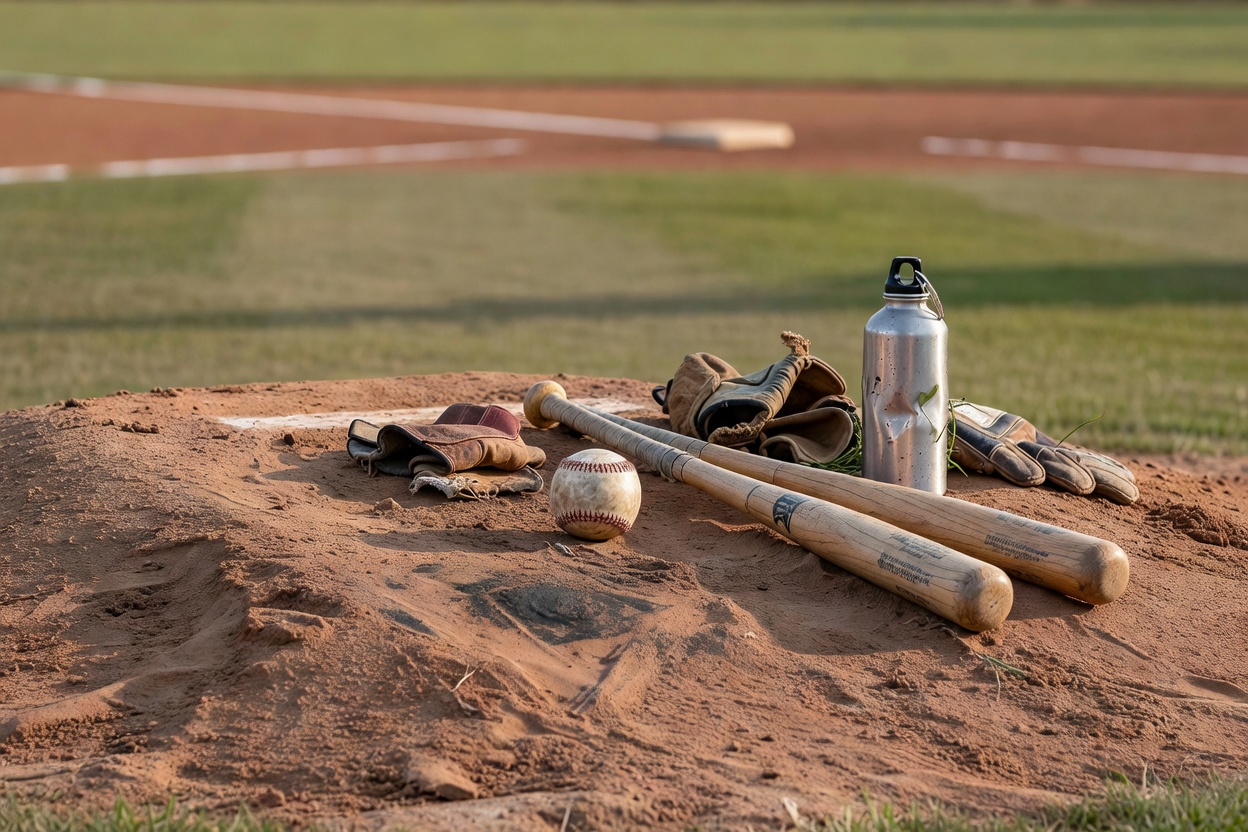
This wasn’t a fluke of extra-inning baseball dragging on for an hour or two. It was a genuine test of human stamina, bureaucratic confusion, and a rulebook that hadn’t accounted for a game refusing to end.
The Longest Baseball Game Ever: How 33 Innings Happened
The game started on a cold Saturday night at McCoy Stadium in Pawtucket, Rhode Island, with a crowd of about 1,740 fans. Rochester scored a run in the top of the seventh to tie things at 1-1, and from there the offenses simply shut down. Both bullpens were excellent, both defenses held, and inning after inning passed with zero runs.
- A tying run scored in the ninth inning off future Hall of Famer Wade Boggs’ Pawtucket teammates, keeping the game alive
- The International League’s rulebook had a curfew provision for suspended games, but the copy on hand at McCoy Stadium was missing that page
- Umpires and officials had no idea a curfew rule even existed until well past 3 a.m.
- Play continued until 4:07 a.m., when the game was finally suspended after the 32nd inning, still tied 2-2
By the time officials realized their error, the teams had combined for 32 innings in a single sitting — already longer than any prior professional game on record. The Society for American Baseball Research (SABR) has documented the night in detail, noting that only 19 fans remained in the stands when play was finally halted.
The Cast of Characters
What makes this game a favorite among stat-obsessed fans isn’t just the length — it’s who was on the field. Cal Ripken Jr., then a 20-year-old third baseman for Rochester, went 2-for-13. Wade Boggs, playing third for Pawtucket, went 4-for-12 and drove in the tying run late in the game. Both would go on to Hall of Fame careers, meaning two of the greatest infielders in baseball history spent a night grinding through extra frames in front of a nearly empty minor league park.
Finishing What Started: The Resumption
The suspended game didn’t resume until June 23, 1981 — more than two months later. By then the story had become a minor sensation, and McCoy Stadium sold out for the continuation, drawing far more media attention than a typical Triple-A game ever would. Pawtucket finally won it in the bottom of the 33rd inning on a walk-off single by Dave Koza, ending the affair 3-2. The resumption itself lasted only 18 minutes, a strange coda to a night that had eaten up eight hours two months earlier.
Total game time across both dates: roughly 8 hours and 25 minutes of play. Attendance for the finish alone reportedly topped the entire original crowd several times over, and both teams’ broadcasters, along with a young beat reporter or two, treated it as a bona fide event rather than a routine minor league nightcap.
Where the Majors Stack Up
Major League Baseball has never come close to 33 innings, but it has flirted with marathon territory more than once. The Baseball Reference database lists these as the standout entries at the big-league level:
- 26 innings — Brooklyn Robins vs. Boston Braves, May 1, 1920. Called for darkness with the score tied 1-1, still the longest game in MLB history by innings played
- 25 innings — Chicago White Sox vs. Milwaukee Brewers, May 8-9, 1984. The White Sox won 7-6 on a Harold Baines walk-off, with the game spanning two days due to a curfew rule
- 24 innings — Houston Astros vs. New York Mets, April 15, 1968, a scoreless slog broken by a single Astros run
- 23 innings — New York Mets vs. San Francisco Giants, May 31, 1964, the longest MLB game by elapsed time at 7 hours and 23 minutes
Notice the pattern: nearly every marathon game on this list is a pitching duel that goes cold rather than a slugfest. Bullpens get taxed to their limits, position players end up pitching, and managers burn through entire benches trying to avoid exactly that outcome. MLB.com’s own historical rundown points out that extra-inning rule changes, including the current runner-on-second format used in some contexts, exist largely because these games strain rosters and schedules in ways front offices actively try to avoid now.
Why Minor League Rules Made It Possible
The 1981 game could only happen because minor league scheduling in that era had more flexibility — and less oversight — than the majors. There was no pitch clock, no roster limits forcing early pulls, and, crucially, no functioning curfew rule enforced that night. Major league teams operate under far tighter travel windows and next-day game requirements, which makes a repeat of 33 innings essentially impossible today.
Why the Longest Baseball Game Ever Still Matters
Stat nerds love this game because it’s a perfect encapsulation of what makes baseball different from every other major sport: there’s no clock forcing resolution. A tie score just means more baseball, indefinitely, until someone breaks through. The Pawtucket-Rochester game sits enshrined at McCoy Stadium with a small display commemorating the night, and Guinness World Records still lists it as the longest professional baseball game ever played by innings.
Modern rule changes at every level of the sport now guard against a repeat performance. But for one cold April night in Rhode Island, two future Hall of Famers and a handful of shivering fans watched baseball do the thing only baseball can do: refuse to end.
Sources
- Baseball-Reference.com: April 18, 1981 Rochester Red Wings at Pawtucket Red Sox Box Score
- ESPN: The 33-Inning Marathon That Redefined Endurance in Baseball
- MLB.com: Longest Game in Professional Baseball History: The 33-Inning Classic
- FanGraphs: Analyzing the 33-Inning Marathon Between Pawtucket and Rochester