
Baseball Jersey History: Numbers, Fabric & Value Explained
Every baseball jersey tells a number story before it tells anything else. Fabric weight, sleeve length, and city name matter, but the digits on the back have driven fan obsession since the Cleveland Indians first strapped numbers to sleeves in 1916 and the New York Yankees made them permanent fixtures on the back in 1929. Walk into any ballpark today and you’ll see thousands of replica jerseys, each one a small data point in a century-long experiment about identity, performance, and merchandising economics.
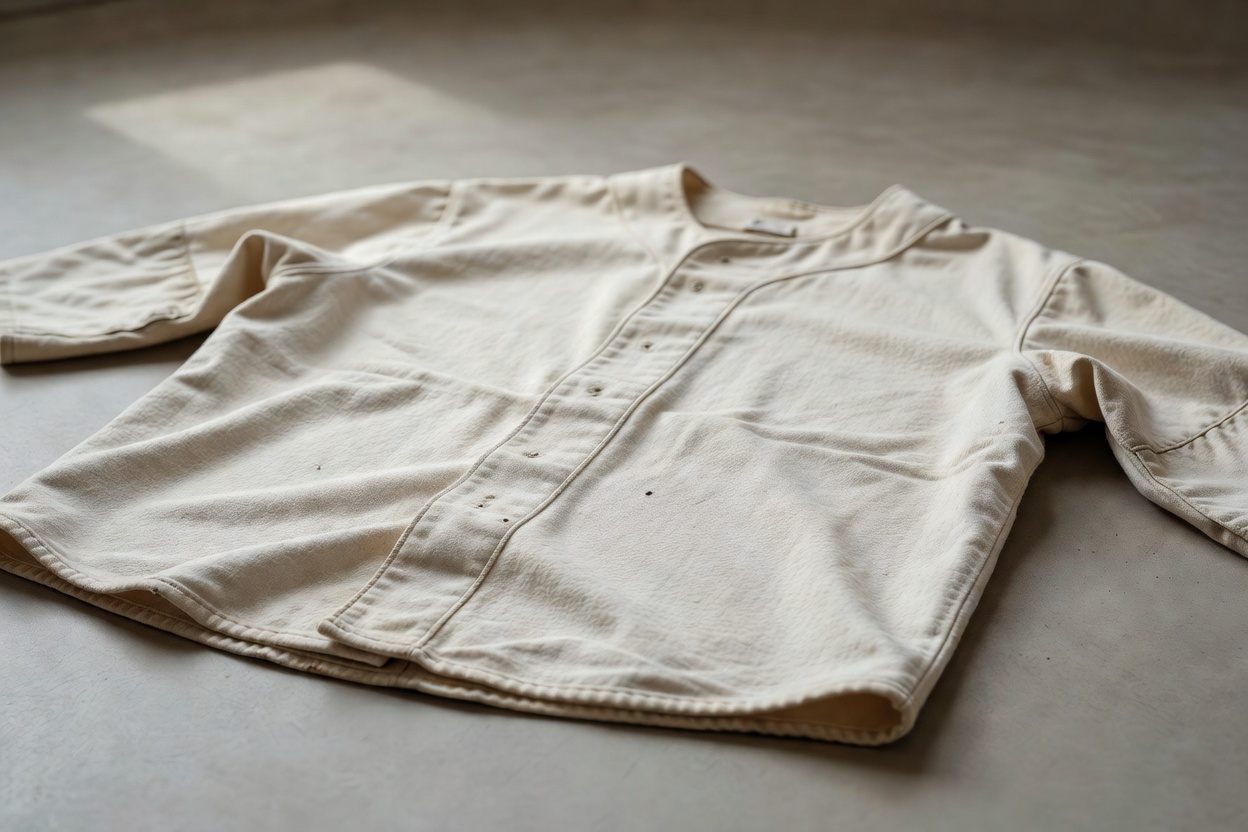
Why the Baseball Jersey Became a Numbers Game
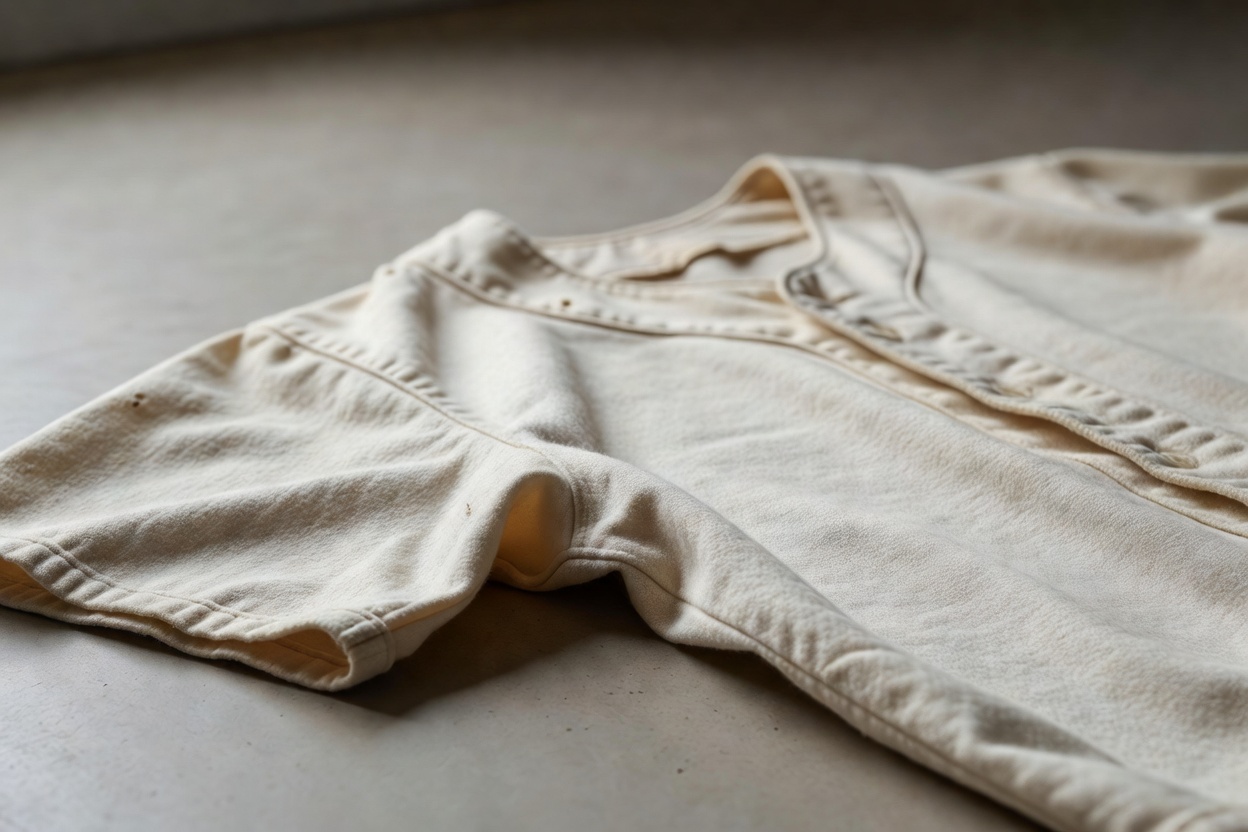
The move to jersey numbers wasn’t sentimental — it was practical. Scorekeepers and fans in the upper deck couldn’t reliably identify players by face alone, so teams started assigning numbers that corresponded to batting order. That’s why Babe Ruth wore No. 3 and Lou Gehrig wore No. 4 — they hit third and fourth in the Yankees lineup. According to the National Baseball Hall of Fame, this batting-order logic held for years before roster turnover made it impractical, and numbers eventually became personal identifiers rather than lineup markers.
That shift matters statistically. Once a number stopped reflecting batting order, it became a brand. Retired numbers now function as a franchise’s hall of fame within a hall of fame — the Yankees alone have retired more jersey numbers than any other club, with 23 numbers taken out of circulation as of the most recent count tracked by MLB.com’s official Yankees history page. No other team comes close, which says as much about the franchise’s marketing discipline as it does about its talent pipeline.
The Rarest Retired Numbers Across MLB
- No. 42 — retired league-wide by every team in 1997 to honor Jackie Robinson, the only number to receive universal retirement.
- No. 4 — retired by six franchises, tied for the most commonly retired single digit.
- No. 5 — retired by five clubs, including the Yankees (Joe DiMaggio) and Reds (Johnny Bench).
Materials and Construction: From Wool Flannel to Performance Mesh
Early 20th-century jerseys were heavy wool flannel, chosen for durability rather than comfort. Players sweated through doubleheaders in fabric that could weigh several pounds when wet. By the 1970s, teams transitioned to double-knit polyester, a change the Society for American Baseball Research documents as one of the most significant equipment shifts in the sport’s modern era, largely because it allowed for tighter, more athletic cuts and brighter dye options — hence the neon Astros and Padres uniforms of that decade.
Modern jerseys use moisture-wicking synthetic blends engineered with the same performance logic as running gear. Nike took over as MLB’s official uniform supplier in 2020, replacing Majestic, and later introduced the Vapor Premier platform – debuted at the 2023 All-Star Game and rolled out league-wide for the 2024 season – which reduced jersey weight compared to the previous Majestic-manufactured version, according to reporting from ESPN’s MLB uniform coverage. That’s a meaningful number for players covering nine innings in July heat, and it explains why uniform complaints briefly became a bigger storyline than actual box scores during the transition season.
Fabric Complaints and the 2023 Uniform Controversy
The lighter fabric came with a tradeoff. Players across multiple teams reported see-through pants and inconsistent sizing after the league-wide rollout in spring 2024, prompting MLB and Nike to commit to fixes for the 2025 season. It was a rare instance where equipment quality control became a clubhouse talking point on par with pitch clock adjustments — proof that even a piece of clothing carries statistical and competitive weight when 30 teams and hundreds of players are wearing the same supplier’s product simultaneously.
The Baseball Jersey as Collectible: A Market Snapshot
Game-worn jerseys occupy a distinct tier in the sports memorabilia market, separate from autographed items or trading cards. Auction data tracked by collectible marketplaces consistently shows that jerseys tied to milestone games — no-hitters, record-breaking home runs, World Series clinchers — command premiums several times higher than standard game-used pieces from the same player’s career. A jersey worn during a documented statistical milestone isn’t just fabric; it’s a physical artifact tied to a specific line in the box score.
- Provenance matters more than star power alone — a jersey with photo-matched evidence from a specific game outperforms an unverified “game-used” tag from the same player.
- Postseason jerseys typically outvalue regular-season jerseys from the same season, reflecting scarcity and stakes.
- Throwback and City Connect alternate jerseys have created a secondary collecting category that didn’t meaningfully exist before the early 2020s.
City Connect Jerseys and the New Alternate Uniform Economy
Since launching in 2021, MLB’s City Connect program has turned alternate uniforms into their own revenue category rather than a once-a-season novelty. Teams like the Chicago White Sox, Miami Marlins, and San Francisco Giants redesigned jerseys around neighborhood identity and local culture instead of traditional team branding. The commercial results pushed other franchises to lobby for inclusion, and the program has expanded nearly every year since its debut, according to league merchandising updates published on MLB.com’s official City Connect hub.
What the Jersey Says About the Game’s Data Obsession
Baseball has always been the sport most comfortable with numbers, and the jersey is where that comfort becomes visible. A single digit on cloth can represent lineup position, retired legacy, franchise history, or market value depending on the decade you’re looking at. That layered meaning is exactly why a plain piece of athletic wear has survived a century of design changes, fabric revolutions, and merchandising pivots without ever losing its core function: putting a name, a number, and a story on a player’s back where everyone in the ballpark can read it.